{...the authorities now say the diaries indicate the two teenagers planned even more destruction, both within the town and beyond.
They wanted to kill 5oo people, hijack a plane and crash it into New York City, Jefferson County Sherrif department's spokesman, Steve Davis, told reporters.}
.............................................................................
Tuesday, April 27, 1999 Published at 03:00 GMT 04:00 UK
World: Americas
Columbine killers planned to kill 500
Investigators say the two students responsible for the Columbine High School massacre planned to murder 500 people and create destruction far beyond the Colorado suburb where they ran amok last Tuesday.
The latest revelations about the teenage killers Dylan Klebold and Eric Harris came as more funerals of their victims took place, including that of the teacher hailed as a hero for his role in directing students to safety.
From the boy's diaries and the taunts they shouted as they attacked fellow students, the pair apparently carried out the shootings in revenge for insults from classmates who they said had made them outcasts.
http://news.bbc.co.uk/2/hi/americas/324995.stm
But the authorities now say the diaries indicate the two teenagers planned even more destruction, both within the town and beyond.
They wanted to kill 500 people, hijack a plane and crash it into New York City, Jefferson County Sherrif department's spokesman, Steve Davis, told reporters.
Mr Davis said the diary had been found in Harris' bedroom alongside bomb- making materials and other weapons.
It also notes how the massacre had been a year in the planning and timed to coincide with Hitler's birthday.
Amazed at the firepower Harris and Klebold had managed to accumulate, investigators say they suspect that others may have been involved or at least known what they were planning.
Police questioned Klebold's 18-year-old girlfriend about whether she purchased two of the firearms used in the shootings.
Officials said the woman had not been named as a suspect and no arrests were imminent.
Funeral of a hero
William "Dave" Sanders, a computer teacher and popular sports coach at the school, was gunned down as two students shot their way through the school building before finally turning their guns on themselves.
Terrified pupils later said many of them owed their lives to Mr Sanders' quick thinking.
More than 2,000 people crowded into and around Littleton's Trinity Christian Center for Monday's funeral. A memorial service held in the town on Sunday was attended by more than 70,000 mourners including US Vice-President Al Gore.
"He was and always will be a hero in my heart," his niece, Kim, told mourners.
Mourners gathered at three other services on Monday. About 2,000 people attended the funeral of Cassie Bernall, 17, the girl who answered "yes" when asked by one of the gunmen if she believed in God. The gunman then shot her dead.
"Cassie's response does not surprise us," the family said in a statement released at the funeral. "Her life was rightly centered around our lord Jesus."
About 700 people heard Lauren Townsend described as "remarkable girl" by her family.
Miss Townsend, 18, was captain of the girls' volleyball team and an honor student.
Daniel Rohrbough, 15, was killed while holding a door open for fellow students fleeing the gunmen. His funeral was held later on Monday.
Wall Street tribute
Earlier, traders on Wall Street broke off from the start of their normally frenetic business for a minute's silence in memory of the victims.
It has emerged that the parents on of the gunmen, 17-year old Dylan Klebold, sensed "tension" in their son several days before the attack.
Reports in Monday's New York Times quote family pastor, the Reverend Don Marxhausen, as saying Dylan's mother, Susan, told him that she suspected something had been bothering her son as he left for school on the morning of the attack.
"The goodbye had an edge to it," she told the pastor. "She thought, maybe he's in a bad mood. Maybe he's got a test today or something."
http://news.bbc.co.uk/2/hi/americas/329303.stm
Monday, April 27, 2009
Monday, April 20, 2009
The Edge of Malibu
04/17/2009 12:32 PM, E! Online
Josh Grossberg You might say The Edge is having boundary issues.
The U2 guitarist's plans to build five mountaintop mansions in Malibu with fantastic oceanside views is facing fierce opposition from some famous NIMBYs concerned the homes will be an environmental catastrophe.
According to the Los Angeles Times, the proposed project would be built above homes belonging to the likes of Dick Van Dyke, Kelsey Grammer and James Cameron and would require some extensive and tricky engineering, including extension of a road down a rugged elevation, grading 70,000 cubic yards of hillside and installing water lines.
"The downside of this is a permanently scarred mountainside for the benefit of a very few that for many years all will view," Jefferson Wagner, a Malibu councilman, told the newspaper. "For somebody so revered even to be orchestrating this type of development in such a sensitive area is hypocritical."
The Edge, whose real name is David Evans, promises development on the properties will address those concerns with care.
"My family and I love Malibu, having maintained a residence here for more than a decade," he told the Times. "These homes will be some of the most environmentally sensitive ever designed in Malibu—or anywhere in the world. I'm disappointed that certain critics either don't have the facts or have ulterior motives."
The Grammy-winning Rock and Roll Hall of Famer has "certificates of compliance" from Los Angeles County establishing that the land he owns meets all legal requirements.
Edge added that he and Irish real estate investor Derek Quinlan plan to take up residence in two of the homes and most likely flip the other three, which has rankled some neighbors whose peace and quiet will be rattled by all the building.
The California Coastal Commission is expected to review the environmental impact of the project in June.
This is not the first fight Evans has found himself in with neighbors.
He and the rest of U2 came under fire in their hometown of Dublin for now defunct plans to build the so-called U2 Tower, a proposed skyscraper in the heart of the city that would've been the tallest in Ireland. Preservationists claimed the $220 million project would have resulted in the tearing down of four adjacent historic buildings.}
http://ca.music.yahoo.com/read/news/61987390
Josh Grossberg You might say The Edge is having boundary issues.
The U2 guitarist's plans to build five mountaintop mansions in Malibu with fantastic oceanside views is facing fierce opposition from some famous NIMBYs concerned the homes will be an environmental catastrophe.
According to the Los Angeles Times, the proposed project would be built above homes belonging to the likes of Dick Van Dyke, Kelsey Grammer and James Cameron and would require some extensive and tricky engineering, including extension of a road down a rugged elevation, grading 70,000 cubic yards of hillside and installing water lines.
"The downside of this is a permanently scarred mountainside for the benefit of a very few that for many years all will view," Jefferson Wagner, a Malibu councilman, told the newspaper. "For somebody so revered even to be orchestrating this type of development in such a sensitive area is hypocritical."
The Edge, whose real name is David Evans, promises development on the properties will address those concerns with care.
"My family and I love Malibu, having maintained a residence here for more than a decade," he told the Times. "These homes will be some of the most environmentally sensitive ever designed in Malibu—or anywhere in the world. I'm disappointed that certain critics either don't have the facts or have ulterior motives."
The Grammy-winning Rock and Roll Hall of Famer has "certificates of compliance" from Los Angeles County establishing that the land he owns meets all legal requirements.
Edge added that he and Irish real estate investor Derek Quinlan plan to take up residence in two of the homes and most likely flip the other three, which has rankled some neighbors whose peace and quiet will be rattled by all the building.
The California Coastal Commission is expected to review the environmental impact of the project in June.
This is not the first fight Evans has found himself in with neighbors.
He and the rest of U2 came under fire in their hometown of Dublin for now defunct plans to build the so-called U2 Tower, a proposed skyscraper in the heart of the city that would've been the tallest in Ireland. Preservationists claimed the $220 million project would have resulted in the tearing down of four adjacent historic buildings.}
http://ca.music.yahoo.com/read/news/61987390

Saturday, April 18, 2009
The Autism Enigma
http://en.wikipedia.org/wiki/Rain_Man#Plot
April 16th 2009From The Economist print edition
http://www.economist.com/science/displaystory.cfm?story_id=13489714
-
Learn to Think Better: Tips from a Savant
You may never have the memory of Rain Man, but you can still get tips for improving your cognitive performance from this extraordinary thinker
By Jonah Lehrer
{Daniel Tammet is author of two books, Born on a Blue Day and Embracing the Wide Sky, the latter of which came out in January. He is also a linguist and holds the European record for reciting the first 22,514 digits of the mathematical constant pi. Scientific American Mind contributing editor Jonah Lehrer chats with Tammet about the way his memory works, why the IQ test is overrated, and a possible explanation for extraordinary feats of creativity.}
http://www.sciam.com/article.cfm?id=think-better-tips-from-a-savant
-
Total Recall: The Woman Who Can't Forget
By Gary Marcus 03.23.09
http://www.wired.com/medtech/health/magazine/17-04/ff_perfectmemory
-
http://www.fox.com/touch, http://en.wikipedia.org/wiki/Touch_(2012_TV_series)
http://www.imdb.com/title/tt1821681
April 16th 2009From The Economist print edition
http://www.economist.com/science/displaystory.cfm?story_id=13489714
-
Learn to Think Better: Tips from a Savant
You may never have the memory of Rain Man, but you can still get tips for improving your cognitive performance from this extraordinary thinker
By Jonah Lehrer
{Daniel Tammet is author of two books, Born on a Blue Day and Embracing the Wide Sky, the latter of which came out in January. He is also a linguist and holds the European record for reciting the first 22,514 digits of the mathematical constant pi. Scientific American Mind contributing editor Jonah Lehrer chats with Tammet about the way his memory works, why the IQ test is overrated, and a possible explanation for extraordinary feats of creativity.}
http://www.sciam.com/article.cfm?id=think-better-tips-from-a-savant
-
Total Recall: The Woman Who Can't Forget
By Gary Marcus 03.23.09
http://www.wired.com/medtech/health/magazine/17-04/ff_perfectmemory
-
http://www.fox.com/touch, http://en.wikipedia.org/wiki/Touch_(2012_TV_series)
http://www.imdb.com/title/tt1821681
Monday, April 13, 2009
Recession taking toll on the young/ (PWFA) Particle Accelerator
As parents lose jobs, demand soars for mental-health services for children in hard-hit Windsor
ANDRÉ PICARD
From Monday's Globe and Mail
April 13, 2009 at 4:12 AM EDT
PUBLIC HEALTH REPORTER
{As the economy stagnates, the number of children and adolescents suffering mental-health problems is soaring, and no place knows it better than Windsor.
New data out of Windsor, an auto town hit early and hard by the recession, show that demand for mental-health services jumped 50 per cent last year. There is also anecdotal evidence that this increase has continued unabated as the local economy sputters - a portent of things to come across the country.
The Windsor Regional Children's Centre has seen referrals jump 50 per cent in 2009, compared to a similar period in 2008, while the number of young people coming into the walk-in clinic for help has doubled. At another agency that deals with the most severe cases - children and adolescents who are suicidal - the number admitted has nearly tripled, to 27 young people a month from an average of 10 before the downturn.
"In that period, nothing has changed except the economy," Connie Martin, executive director of Maryvale Adolescent and Family Services, said in an interview.
"In almost all cases, one or both parents have lost jobs recently, and that has been a trigger for the child's mental-health problems."
Ms. Martin said the most tragic case she has seen is a preteen who attempted suicide after his parents lost their jobs in the auto industry.
"He felt like he was a burden on the family - that they couldn't afford to have him around," she said.
Mary Broga, executive director of the Windsor Regional Children's Centre, said the impact of the recession on children and adolescents is more profound than many parents realize. When there are job losses or other money woes - and unemployment in Windsor hit 13.7 per cent in March, compared to the national rate of 8 per cent - the entire family dynamic changes. Parents can be anxious, depressed or irritable, and children tend to feel they are responsible.
Ms. Broga said the centre is seeing an influx of two distinct types of clients as Windsor's economy falters: kids with no previous mental-health problems who are suddenly experiencing severe anxiety, depression or acting out; and children and adolescents with pre-existing mental-health conditions that are exacerbated by new stresses.
Sherry Campeau's 14-year-old son Shayne, who suffers from a severe anxiety disorder, is in the latter category. He had been making steady progress since a suicide attempt two years ago, but his father being laid off for six weeks over Christmas and New Year's had a profound effect.
"I've seen a steady increase in his anxiety since December. The gains we made in the previous two years were all taken back," Ms. Campeau said.
While she is not employed in the auto industry - Ms. Campeau works as a teacher's assistant and is studying at teachers college - her ex-husband, her brother and her father all work for Chrysler.
"There's a real feeling of hopelessness around here. We wonder if we'll ever get out of this," she said. "The kids feel it like everybody else."
In fact, Ms. Broga said, they often feel it more acutely, particularly teenagers. "Adolescents see everything collapsing around them and wonder: 'What am I going to do with my life?' "
When they are anxious, their schoolwork suffers, sleep patterns are disrupted and they get sick, physically and mentally. To make matters worse, they are reluctant to reach out to their parents, who are already stressed out.
"If you have a parent - or two - with no money and no prospects of a job, the stress level goes way up in the house," Ms. Martin said. "It doesn't take much for a child to get in a bad place."
To make matters worse, if a child gets sick, the stress level of parents shoots even higher, creating a vicious circle.
Ms. Martin noted that while demand for services is spiking, funding for mental-health agencies has remained stagnant. In fact, a recent report from the Auditor-General of Ontario lamented the lack of funding increases, saying that children's mental-health agencies have had "considerable difficulty maintaining their core services and to do so have often had to 'rob Peter to pay Paul.' "
Another report, prepared by former provincial Conservative and Liberal cabinet ministers Roy McMurtry and Alvin Curling, recommended an additional $200-million investment in children's mental health - a 40-per-cent increase over current funding - over the next three years.}
http://www.theglobeandmail.com/servlet/story/RTGAM.20090413.wmental13art2227/BNStory/National/?page=rss&id=RTGAM.20090413.wmental13art2227
-
............................................................................
-
(PWFA) Particle_accelerator
Next-Gen Atom Smashers: Smaller, Cheaper and Super Powerful
By Lizzie Buchen April 12, 2009
http://blog.wired.com/wiredscience/2009/04/tinyaccelerator.html
http://adsabs.harvard.edu/abs/2008arXiv0807.4599C
https://www.researchgate.net/publication/1744136_Proton_Driven_Plasma_Wakefield_Acceleration
http://arts-and-life.com/2009/04/next-gen-atom-smashers-smaller-cheaper.html
http://en.wikipedia.org/wiki/Particle_accelerator#Higher_energies
ANDRÉ PICARD
From Monday's Globe and Mail
April 13, 2009 at 4:12 AM EDT
PUBLIC HEALTH REPORTER
{As the economy stagnates, the number of children and adolescents suffering mental-health problems is soaring, and no place knows it better than Windsor.
New data out of Windsor, an auto town hit early and hard by the recession, show that demand for mental-health services jumped 50 per cent last year. There is also anecdotal evidence that this increase has continued unabated as the local economy sputters - a portent of things to come across the country.
The Windsor Regional Children's Centre has seen referrals jump 50 per cent in 2009, compared to a similar period in 2008, while the number of young people coming into the walk-in clinic for help has doubled. At another agency that deals with the most severe cases - children and adolescents who are suicidal - the number admitted has nearly tripled, to 27 young people a month from an average of 10 before the downturn.
"In that period, nothing has changed except the economy," Connie Martin, executive director of Maryvale Adolescent and Family Services, said in an interview.
"In almost all cases, one or both parents have lost jobs recently, and that has been a trigger for the child's mental-health problems."
Ms. Martin said the most tragic case she has seen is a preteen who attempted suicide after his parents lost their jobs in the auto industry.
"He felt like he was a burden on the family - that they couldn't afford to have him around," she said.
Mary Broga, executive director of the Windsor Regional Children's Centre, said the impact of the recession on children and adolescents is more profound than many parents realize. When there are job losses or other money woes - and unemployment in Windsor hit 13.7 per cent in March, compared to the national rate of 8 per cent - the entire family dynamic changes. Parents can be anxious, depressed or irritable, and children tend to feel they are responsible.
Ms. Broga said the centre is seeing an influx of two distinct types of clients as Windsor's economy falters: kids with no previous mental-health problems who are suddenly experiencing severe anxiety, depression or acting out; and children and adolescents with pre-existing mental-health conditions that are exacerbated by new stresses.
Sherry Campeau's 14-year-old son Shayne, who suffers from a severe anxiety disorder, is in the latter category. He had been making steady progress since a suicide attempt two years ago, but his father being laid off for six weeks over Christmas and New Year's had a profound effect.
"I've seen a steady increase in his anxiety since December. The gains we made in the previous two years were all taken back," Ms. Campeau said.
While she is not employed in the auto industry - Ms. Campeau works as a teacher's assistant and is studying at teachers college - her ex-husband, her brother and her father all work for Chrysler.
"There's a real feeling of hopelessness around here. We wonder if we'll ever get out of this," she said. "The kids feel it like everybody else."
In fact, Ms. Broga said, they often feel it more acutely, particularly teenagers. "Adolescents see everything collapsing around them and wonder: 'What am I going to do with my life?' "
When they are anxious, their schoolwork suffers, sleep patterns are disrupted and they get sick, physically and mentally. To make matters worse, they are reluctant to reach out to their parents, who are already stressed out.
"If you have a parent - or two - with no money and no prospects of a job, the stress level goes way up in the house," Ms. Martin said. "It doesn't take much for a child to get in a bad place."
To make matters worse, if a child gets sick, the stress level of parents shoots even higher, creating a vicious circle.
Ms. Martin noted that while demand for services is spiking, funding for mental-health agencies has remained stagnant. In fact, a recent report from the Auditor-General of Ontario lamented the lack of funding increases, saying that children's mental-health agencies have had "considerable difficulty maintaining their core services and to do so have often had to 'rob Peter to pay Paul.' "
Another report, prepared by former provincial Conservative and Liberal cabinet ministers Roy McMurtry and Alvin Curling, recommended an additional $200-million investment in children's mental health - a 40-per-cent increase over current funding - over the next three years.}
http://www.theglobeandmail.com/servlet/story/RTGAM.20090413.wmental13art2227/BNStory/National/?page=rss&id=RTGAM.20090413.wmental13art2227
-
............................................................................
-
(PWFA) Particle_accelerator
Next-Gen Atom Smashers: Smaller, Cheaper and Super Powerful
By Lizzie Buchen April 12, 2009
http://blog.wired.com/wiredscience/2009/04/tinyaccelerator.html
http://adsabs.harvard.edu/abs/2008arXiv0807.4599C
https://www.researchgate.net/publication/1744136_Proton_Driven_Plasma_Wakefield_Acceleration
http://arts-and-life.com/2009/04/next-gen-atom-smashers-smaller-cheaper.html
http://en.wikipedia.org/wiki/Particle_accelerator#Higher_energies
Tuesday, April 7, 2009
World's oldest person celebrates 115th in LA
Mon Apr 6
By The Associated Press
{LOS ANGELES - The world's oldest known living person celebrated her 115th birthday Monday.
Gertrude Baines was honoured at Western Convalescent Hospital with music, a letter from the president, and two cakes. Baines said little during the celebration as friends sang to her and she received a proclamation from Guinness World Records acknowledging her as the world's oldest person.
"Who would take Los Angeles for the place that would have the world's oldest person?" Robert Young, a scientist and senior consultant with Guinness, said later in an interview. "Living that long is like winning the genetic lottery."
Born in 1894 in Shellman, Ga., Baines became the world's oldest living person when a 115-year-old woman, Maria de Jesus, died in Portugal in January.
Baines' physician said she only has two complaints.
"Number one, she doesn't like the bacon. It's not crisp enough," the doctor, Charles Witt Jr., told KCAL-TV. "And the other thing is she fusses about her ... arthritis of her knees. She told me that she owes her longevity to the Lord, that she never did drink, she never did smoke and she never did fool around."
Baines father, born two years before the Civil War in 1863, was likely a slave, Young said. Baines has outlived her entire family. Her only daughter died of typhoid fever when she was a toddler.
Featured on local television newscasts in November when she cast her ballot for Barack Obama for president, Baines said she backed him "because he's for the coloured." She said she never thought she would live to see a black man become president.
Baines received a letter from Obama, wishing her a happy birthday.
Baines worked as a maid in University of Ohio dormitories until her retirement, and has lived at the Los Angeles convalescent hospital for more than 10 years.
Since 1986, Young said, the world's oldest person title has been held by a woman for all but 44 days.} http://ca.news.yahoo.com/s/capress/090406/world/world_s_oldest_person
By The Associated Press
{LOS ANGELES - The world's oldest known living person celebrated her 115th birthday Monday.
Gertrude Baines was honoured at Western Convalescent Hospital with music, a letter from the president, and two cakes. Baines said little during the celebration as friends sang to her and she received a proclamation from Guinness World Records acknowledging her as the world's oldest person.
"Who would take Los Angeles for the place that would have the world's oldest person?" Robert Young, a scientist and senior consultant with Guinness, said later in an interview. "Living that long is like winning the genetic lottery."
Born in 1894 in Shellman, Ga., Baines became the world's oldest living person when a 115-year-old woman, Maria de Jesus, died in Portugal in January.
Baines' physician said she only has two complaints.
"Number one, she doesn't like the bacon. It's not crisp enough," the doctor, Charles Witt Jr., told KCAL-TV. "And the other thing is she fusses about her ... arthritis of her knees. She told me that she owes her longevity to the Lord, that she never did drink, she never did smoke and she never did fool around."
Baines father, born two years before the Civil War in 1863, was likely a slave, Young said. Baines has outlived her entire family. Her only daughter died of typhoid fever when she was a toddler.
Featured on local television newscasts in November when she cast her ballot for Barack Obama for president, Baines said she backed him "because he's for the coloured." She said she never thought she would live to see a black man become president.
Baines received a letter from Obama, wishing her a happy birthday.
Baines worked as a maid in University of Ohio dormitories until her retirement, and has lived at the Los Angeles convalescent hospital for more than 10 years.
Since 1986, Young said, the world's oldest person title has been held by a woman for all but 44 days.} http://ca.news.yahoo.com/s/capress/090406/world/world_s_oldest_person
Tuesday, March 31, 2009
Motive still open in U.S. nursing home rampage; 8 dead
Mon Mar 30
By Mike Baker, The Associated Press
{CARTHAGE, N.C. - Authorities worked Monday to unravel the mystery of why a 45-year-old painter tore through a North Carolina nursing home on a terrifying shooting rampage that left eight dead, releasing few details but saying it wasn't a "random act of violence."
One possible clue: the gunman's estranged wife works at Pinelake Health and Rehab and was there when authorities say Robert Stewart stormed in and killed seven residents - most in their late 80s - and a nurse who cared for them.
"We're certainly looking into the fact that it may be domestic-related," said Carthage Police Chief Chris McKenzie.
Moore County prosecutor Maureen Krueger said detectives were still gathering information on what could have set off Stewart.
"The information on motive is incomplete at this time," she said, adding: "This was not a random act of violence. There is only one suspect and he is in custody."
McKenzie said Monday he believed the couple were recently separated, but acknowledged he didn't yet know many more details about her. A neighbour said Stewart's estranged wife is a certified nurse assistant at the nursing home named Wanda Luck, and public records indicate she shared an address with Stewart in Carthage.
"His (estranged) wife was there at the time the shooting was going on," McKenzie said.
Several telephone numbers for Luck or her family were disconnected. A knock at the door was unanswered at Luck's address.
"This is a horrible tragedy," said Mark Barnett, the neighbour. "This is something that's just unthinkable. I can't even imagine what she's going through."
Another ex-wife of Stewart's, Sue Griffin, told reporters Sunday she had not had contact with him since they divorced in 2001, but said he had been recently reaching out to family members, telling them he had cancer and was preparing for a long trip and to "go away."
"He did have some violent tendencies from time to time," Griffin said. "I wouldn't put it past him. I hate to say it, but it is true."
Authorities said the attack began around 10 a.m. Sunday, when Stewart arrived at the nursing home and care centre for patients with Alzheimer's disease and started firing.
McKenzie said he was armed with more than one weapon, and witnesses said he was shooting a "deer gun." Police recovered a camouflage-coloured rifle or shotgun from the home's parking lot, where at least two cars had their windows shattered, apparently by gunfire.
The shooting rampage was ended by Officer Justin Garner, 25, who entered the nursing home alone as he responded to a 911 call. McKenzie said Garner, a training officer with more than four years on the Carthage force and a past winner of the department's officer of the year award, knew he was headed into a perilous situation, but didn't wait for back-up or a SWAT team to arrive.
"If that's not heroism, I don't know what is," McKenzie said
"He had to go to all the way through the facility to encounter this individual," McKenzie said. "It would be hard for me to believe he didn't (hear gunfire)."
Stewart wounded Garner three times in the leg as they traded gunfire in a hallway of the 110-bed facility, McKenzie said. The single shot Garner fired from his .40-calibre service pistol hit Stewart in the chest.
"Whether he realizes it now, he will hopefully realize someday how many lives he has saved," McKenzie said, adding: "A lot more lives would have been lost, I honestly feel, had he not done what he did. For certain."
McKenzie said Stewart made his initial court appearance during an arraignment hearing Monday morning. He is facing eight counts of first-degree murder and a charge of felony assault of a law enforcement officer.
The lawyer appointed Monday to represent Stewart, John Megerian from Asheboro, declined comment, saying he hadn't yet talked with his client. McKenzie said the district attorney planned to present the case to a grand jury next month.
McKenzie was unaware of any criminal activity in Stewart's past, and records in Moore County show the only charges on his record stem from a drunken-driving case in 1988. He was involved in a few minor civil complaints, including a 2002 order that he surrender $1,103 after a woman complained his painting business failed at repainting some wrought iron furniture.
Detectives were working at the state medical examiner's office in Chapel Hill on Monday to recover evidence, and search warrants police executed in the hours after the shooting were sealed. Court records said Stewart was transferred from the custody of the Moore County Sheriff to the state Department of Correction, because he has a gunshot wound.
Authorities identified the victims as Pinelake residents Tessie Garner, 88; Lillian Dunn, 89; Jessie Musser, 88; Bessie Hendrick, 78; John Goldston, 78; Margaret Johnson, 89; Louise Decker, 98; and nurse Jerry Avent, whose age wasn't immediately available.
Musser had lived at Pinelake for only six weeks, said his son-in-law, Jim Foster, 47, of Aberdeen. He said the man had Alzheimer's and Parkinson's diseases and was blind, deaf and confined to a wheelchair. Foster said the family was now trying to figure out how to tell Musser's wife, who has dementia and lives at the same facility, that her husband is dead.
"She was upset that they didn't bring him to see her yesterday," Foster said. "I don't know how we're going to break it to her. You got a clue?"
Sunday's rampage in North Carolina's Sandhills region, about 100 kilometres southwest of Raleigh, happened just weeks after a man killed 10 people, including his mother and several other relatives, in the worst mass shooting in Alabama's history on March 10. On March 11, a teen killed 12 people at his former high school in Germany.}
http://ca.news.yahoo.com/s/capress/090330/world/nursing_home_shooting
-
On the Net: Pinelake Health and Rehab: http://www.peakresourcesinc.com/nursing/pinelake.html
By Mike Baker, The Associated Press
{CARTHAGE, N.C. - Authorities worked Monday to unravel the mystery of why a 45-year-old painter tore through a North Carolina nursing home on a terrifying shooting rampage that left eight dead, releasing few details but saying it wasn't a "random act of violence."
One possible clue: the gunman's estranged wife works at Pinelake Health and Rehab and was there when authorities say Robert Stewart stormed in and killed seven residents - most in their late 80s - and a nurse who cared for them.
"We're certainly looking into the fact that it may be domestic-related," said Carthage Police Chief Chris McKenzie.
Moore County prosecutor Maureen Krueger said detectives were still gathering information on what could have set off Stewart.
"The information on motive is incomplete at this time," she said, adding: "This was not a random act of violence. There is only one suspect and he is in custody."
McKenzie said Monday he believed the couple were recently separated, but acknowledged he didn't yet know many more details about her. A neighbour said Stewart's estranged wife is a certified nurse assistant at the nursing home named Wanda Luck, and public records indicate she shared an address with Stewart in Carthage.
"His (estranged) wife was there at the time the shooting was going on," McKenzie said.
Several telephone numbers for Luck or her family were disconnected. A knock at the door was unanswered at Luck's address.
"This is a horrible tragedy," said Mark Barnett, the neighbour. "This is something that's just unthinkable. I can't even imagine what she's going through."
Another ex-wife of Stewart's, Sue Griffin, told reporters Sunday she had not had contact with him since they divorced in 2001, but said he had been recently reaching out to family members, telling them he had cancer and was preparing for a long trip and to "go away."
"He did have some violent tendencies from time to time," Griffin said. "I wouldn't put it past him. I hate to say it, but it is true."
Authorities said the attack began around 10 a.m. Sunday, when Stewart arrived at the nursing home and care centre for patients with Alzheimer's disease and started firing.
McKenzie said he was armed with more than one weapon, and witnesses said he was shooting a "deer gun." Police recovered a camouflage-coloured rifle or shotgun from the home's parking lot, where at least two cars had their windows shattered, apparently by gunfire.
The shooting rampage was ended by Officer Justin Garner, 25, who entered the nursing home alone as he responded to a 911 call. McKenzie said Garner, a training officer with more than four years on the Carthage force and a past winner of the department's officer of the year award, knew he was headed into a perilous situation, but didn't wait for back-up or a SWAT team to arrive.
"If that's not heroism, I don't know what is," McKenzie said
"He had to go to all the way through the facility to encounter this individual," McKenzie said. "It would be hard for me to believe he didn't (hear gunfire)."
Stewart wounded Garner three times in the leg as they traded gunfire in a hallway of the 110-bed facility, McKenzie said. The single shot Garner fired from his .40-calibre service pistol hit Stewart in the chest.
"Whether he realizes it now, he will hopefully realize someday how many lives he has saved," McKenzie said, adding: "A lot more lives would have been lost, I honestly feel, had he not done what he did. For certain."
McKenzie said Stewart made his initial court appearance during an arraignment hearing Monday morning. He is facing eight counts of first-degree murder and a charge of felony assault of a law enforcement officer.
The lawyer appointed Monday to represent Stewart, John Megerian from Asheboro, declined comment, saying he hadn't yet talked with his client. McKenzie said the district attorney planned to present the case to a grand jury next month.
McKenzie was unaware of any criminal activity in Stewart's past, and records in Moore County show the only charges on his record stem from a drunken-driving case in 1988. He was involved in a few minor civil complaints, including a 2002 order that he surrender $1,103 after a woman complained his painting business failed at repainting some wrought iron furniture.
Detectives were working at the state medical examiner's office in Chapel Hill on Monday to recover evidence, and search warrants police executed in the hours after the shooting were sealed. Court records said Stewart was transferred from the custody of the Moore County Sheriff to the state Department of Correction, because he has a gunshot wound.
Authorities identified the victims as Pinelake residents Tessie Garner, 88; Lillian Dunn, 89; Jessie Musser, 88; Bessie Hendrick, 78; John Goldston, 78; Margaret Johnson, 89; Louise Decker, 98; and nurse Jerry Avent, whose age wasn't immediately available.
Musser had lived at Pinelake for only six weeks, said his son-in-law, Jim Foster, 47, of Aberdeen. He said the man had Alzheimer's and Parkinson's diseases and was blind, deaf and confined to a wheelchair. Foster said the family was now trying to figure out how to tell Musser's wife, who has dementia and lives at the same facility, that her husband is dead.
"She was upset that they didn't bring him to see her yesterday," Foster said. "I don't know how we're going to break it to her. You got a clue?"
Sunday's rampage in North Carolina's Sandhills region, about 100 kilometres southwest of Raleigh, happened just weeks after a man killed 10 people, including his mother and several other relatives, in the worst mass shooting in Alabama's history on March 10. On March 11, a teen killed 12 people at his former high school in Germany.}
http://ca.news.yahoo.com/s/capress/090330/world/nursing_home_shooting
-
On the Net: Pinelake Health and Rehab: http://www.peakresourcesinc.com/nursing/pinelake.html
Thursday, March 26, 2009
The Toilet Chef

No matter how good some foods taste it all turns to shit in the end.
March 26, 2009
"Toilet sausage chef causes prison unit evacuation
THE ASSOCIATED PRESS
THE ASSOCIATED PRESS
CLALLAM BAY, Wash. -- An inmate's attempt to heat up sausages in his toilet went up in smoke when the cooking fire forced a unit evacuation at a Washington prison. Clallam Bay Corrections Center spokeswoman Denise Larson says 130 inmates were evacuated to a dining hall when smoke was spotted coming from a sewer vent pipe Wednesday evening.
She says the smoke was traced to the inmate's cell and he admitted to trying to heat up snack sausage bought from a prison store in the stainless steel toilet. The inmate's identity has not been released.
The toilet chef has been placed in segregation pending discipline at the prison on Washington's Olympic Peninsula."
-
http://www.guardian.co.uk/world/feedarticle/8424128,
http://www.huffingtonpost.com/huff-wires/20090326/odd-sausage-toilet-fire,
http://idle.slashdot.org/story/09/03/27/1453245/toilet-sausage-chef-causes-prison-unit-evacuation
http://www.guardian.co.uk/world/feedarticle/8424128,
http://www.huffingtonpost.com/huff-wires/20090326/odd-sausage-toilet-fire,
http://idle.slashdot.org/story/09/03/27/1453245/toilet-sausage-chef-causes-prison-unit-evacuation
Prison means living constantly just a few feet away from a stinky steel toilet. So many people end up in a cell because they have turned other peoples lives to shit.
http://www.professortoilet.com/toilet-humor
There is something about eating a big bowl of chili & eventually realizing that you will have to blast the bowl.
http://multiverseextra.blogspot.ca/2012/12/modern-toilet-restaurant.html
http://symbolic-resonance.blogspot.ca/2013/03/shit-science.html
http://www.professortoilet.com/toilet-humor
There is something about eating a big bowl of chili & eventually realizing that you will have to blast the bowl.

http://multiverseextra.blogspot.ca/2012/12/modern-toilet-restaurant.html
http://symbolic-resonance.blogspot.ca/2013/03/shit-science.html
Wednesday, March 25, 2009
Man survived in the cities of Hiroshima and Nagasaki.
Japan man proves he survived both atomic_bombs
Wed Mar 25, 10:32 AM
{TOKYO (AFP) - Japan has certified a 93-year-old man as the first known survivor of both US atomic bombings in World War II, in the cities of Hiroshima and Nagasaki.
Tsutomu Yamaguchi was in Hiroshima when an American plane dropped an atomic bomb on August 6, 1945. He survived with serious burns and returned to his hometown of Nagasaki, where the second bomb was dropped three days later.
Yamaguchi had already been certified a "hibakusha" or radiation survivor of the Nagasaki bombing but was officially confirmed this week as having lived through Hiroshima too.
"I just wanted to clarify the horror only a double atomic bomb survivor could understand," Yamaguchi told reporters. "I hope to hand over the horror of atomic bombs and the importance of peace to our next generations."}
http://ca.news.yahoo.com/s/afp/090325/world/japan_us_wwii_nuclear_survivor
Wed Mar 25, 10:32 AM
{TOKYO (AFP) - Japan has certified a 93-year-old man as the first known survivor of both US atomic bombings in World War II, in the cities of Hiroshima and Nagasaki.
Tsutomu Yamaguchi was in Hiroshima when an American plane dropped an atomic bomb on August 6, 1945. He survived with serious burns and returned to his hometown of Nagasaki, where the second bomb was dropped three days later.
Yamaguchi had already been certified a "hibakusha" or radiation survivor of the Nagasaki bombing but was officially confirmed this week as having lived through Hiroshima too.
"I just wanted to clarify the horror only a double atomic bomb survivor could understand," Yamaguchi told reporters. "I hope to hand over the horror of atomic bombs and the importance of peace to our next generations."}
http://ca.news.yahoo.com/s/afp/090325/world/japan_us_wwii_nuclear_survivor
Tuesday, March 24, 2009
Exxon Valdez
 http://en.wikipedia.org/wiki/Exxon_Valdez
-
Oil plagues Sound 20 years after Exxon Valdez
Future risk assessments must look at longer impacts, recovery council says
Future risk assessments must look at longer impacts, recovery council says
msnbc.com
updated 1:18 a.m. PT, Tues., March. 24, 2009
{Twenty years after the Exxon Valdez spilled 11 million gallons of crude oil in Alaska's Prince William Sound, oil persists in the region and, in some places, "is nearly as toxic as it was the first few weeks after the spill," according to the council overseeing restoration efforts.
"This Exxon Valdez oil is decreasing at a rate of 0-4 percent per year," the Exxon Valdez Oil Spill Trustee Council stated in a report marking Tuesday's 20th anniversary of the worst oil spill in U.S. waters. "At this rate, the remaining oil will take decades and possibly centuries to disappear entirely."
The council's findings come two decades after the March 24, 1989 disaster, when the single-hulled Exxon tanker hit a reef, emptying its contents into Alaskan waters. The spill contaminated more than 1,200 miles of shoreline and killed hundreds of thousands of seabirds and marine animals.
Captain convicted of misdemeanorThe council, made up of three state and three federal appointees, was created to administer the $900 million that Exxon paid to settle lawsuits filed after the accident, which also resulted in criminal charges against the ship's captain, Joseph Hazelwood.
Hazelwood, was accused but then acquitted on a charge of being drunk at the time. He was, however, convicted of negligent discharge of oil, a misdemeanor, and sentenced to a $50,000 fine and 1,000 hours of community service.
In the weeks and months following the spill, thousands of people tried to clean up the contamination. But two decades later, oil persists and is estimated to total around 20,000 gallons, according to the council. One of the lessons learned is that a spill's impacts can last a long time in a habitat with calm, cold waters like Prince William Sound, the council said.
"Following the oil and its impacts over the past 20 years has changed our understanding of the long-term damage from an oil spill," the council stated. "We know that risk assessment for future spills must consider what the total damages will be over a longer period of time, rather than only the acute damages in the days and weeks following a spill."
"One of the most stunning revelations" from studies over the last decade, the council said, "is that Exxon Valdez oil persists in the environment and, in places, is nearly as toxic as it was the first few weeks after the spill."
As a result, some sea otter populations as well as bird species have been slow to recover. Overall, some 200,000 seabirds and 4,000 otters were thought to have died from the contamination.
Oil found 450 miles awayMoreover, surveys "have documented lingering oil also on the Kenai Peninsula and the Katmai coast, over 450 miles away," according to the council.
"This Exxon Valdez oil is decreasing at a rate of 0-4 percent per year," the Exxon Valdez Oil Spill Trustee Council stated in a report marking Tuesday's 20th anniversary of the worst oil spill in U.S. waters. "At this rate, the remaining oil will take decades and possibly centuries to disappear entirely."
The council's findings come two decades after the March 24, 1989 disaster, when the single-hulled Exxon tanker hit a reef, emptying its contents into Alaskan waters. The spill contaminated more than 1,200 miles of shoreline and killed hundreds of thousands of seabirds and marine animals.
Captain convicted of misdemeanorThe council, made up of three state and three federal appointees, was created to administer the $900 million that Exxon paid to settle lawsuits filed after the accident, which also resulted in criminal charges against the ship's captain, Joseph Hazelwood.
Hazelwood, was accused but then acquitted on a charge of being drunk at the time. He was, however, convicted of negligent discharge of oil, a misdemeanor, and sentenced to a $50,000 fine and 1,000 hours of community service.
In the weeks and months following the spill, thousands of people tried to clean up the contamination. But two decades later, oil persists and is estimated to total around 20,000 gallons, according to the council. One of the lessons learned is that a spill's impacts can last a long time in a habitat with calm, cold waters like Prince William Sound, the council said.
"Following the oil and its impacts over the past 20 years has changed our understanding of the long-term damage from an oil spill," the council stated. "We know that risk assessment for future spills must consider what the total damages will be over a longer period of time, rather than only the acute damages in the days and weeks following a spill."
"One of the most stunning revelations" from studies over the last decade, the council said, "is that Exxon Valdez oil persists in the environment and, in places, is nearly as toxic as it was the first few weeks after the spill."
As a result, some sea otter populations as well as bird species have been slow to recover. Overall, some 200,000 seabirds and 4,000 otters were thought to have died from the contamination.
Oil found 450 miles awayMoreover, surveys "have documented lingering oil also on the Kenai Peninsula and the Katmai coast, over 450 miles away," according to the council.
None of that was expected "at the time of the spill or even ten years later," it added. "In 1999, beaches in the sound appeared clean on the surface. Some subsurface oil had been reported in a few places, but it was expected to decrease over time and most importantly, to have lost its toxicity due to weathering. A few species were not recovering at the expected rate in some areas, but continuing exposure to oil was not suspected as the primary cause."
It turns out that oil often got trapped in semi-enclosed bays for weeks, going up and down with the tide and some of it being pulled down into the sediment below the seabed.
"The cleanup efforts and natural processes, particularly in the winter, cleaned the oil out of the top 2-3 inches, where oxygen and water can flow," the council said, "but did little to affect the large patches of oil farther below the surface."}http://www.msnbc.msn.com/id/29838444/wid/18298287/?GT1=45002
It turns out that oil often got trapped in semi-enclosed bays for weeks, going up and down with the tide and some of it being pulled down into the sediment below the seabed.
"The cleanup efforts and natural processes, particularly in the winter, cleaned the oil out of the top 2-3 inches, where oxygen and water can flow," the council said, "but did little to affect the large patches of oil farther below the surface."}http://www.msnbc.msn.com/id/29838444/wid/18298287/?GT1=45002
-
Friday, March 20, 2009
Sony Ericsson warning stuns ailing mobile sector
Fri Mar 20, 8:34 AM
By Tarmo Virki, European technology correspondent
{HELSINKI (Reuters) - Sony Ericsson sparked fresh fear of crumbling consumer demand on Friday when the world's No 4 handset maker said it would sell barely half of the phones it sold last quarter.
Shares across the wireless sector dropped sharply on the news -- compounded by smaller rival Palm's overnight report of slumping quarterly sales -- and by 1229 GMT (8:29 a.m. EDT), Ericsson was down 8.7 percent and Nokia was down 5.5 percent.
Sony Ericsson said it expects to sell just 14 million phones in January-March, hit by weak demand and retailers cutting their inventories. Analysts polled by Reuters in January expected between 15.5 million to 21.8 million phones sold.
"Investors are questioning the whole market now, even though I think the issue for Sony Ericsson is more company specific," said Jari Honko, analyst with eQ Bank.
Overnight, U.S. rival Palm Inc reported a widening loss for the December-February quarter and said revenue sank 70 percent from a year ago.
The cellphone industry has entered its toughest year ever as consumers rein in spending and retailers try to clear inventories of unsold phones after bleak Christmas sales.
"The market, overall, continues to be very challenging," said Gartner analyst Carolina Milanesi.
Fears over the future of the mobile market also sent shares in chipmakers sharply lower, with Infineon down 6.6 percent and STMicro 5 percent lower.
VERY WEAK QUARTER
Sony Ericsson said it expected to make a pretax loss of 340-390 million euros ($459 million-$526 million) in the quarter as it heads into a second year of losses.
"It's a real catastrophe. Those are very big losses and they are probably losing a lot of market share," said Greger Johansson, from analyst firm Redeye.
"It's obvious that the volumes are much lower than the market had thought. And first and foremost, the losses are much, much bigger," he said.
Sony Ericsson, the no. 4 global handset maker after Nokia, Samsung and LG, said it expects gross margins to decline both year-on-year and sequentially.
"What is happening now is that everyone will be forced to cut their forecasts for Sony Ericsson and Ericsson," said analyst Hakan Wranne from Swedbank.
Ben Wood, head of research at CCS Insight said Sony Ericsson was suffering most from the weak portfolio and the challenging market conditions it faces in European markets.
"With competition intensifying it is going to be a tough task to regain momentum until new products appear and economic conditions improve," Wood said.
Sony Ericsson's success has been built on a strong offering of mid-range phones with high-quality cameras and music players, but this part of the cellphone market is seeing the sharpest fall this year as operators dole out subsidies to more expensive phones.
SMARTPHONES TO HOLD
Qualcomm, the world's largest cellphone chip maker, said on Friday it was seeing strong demand for higher-end smartphones in spite of the weak economy.
Analysts, on average, expect sales of feature-jammed smartphones to grow between 10 percent and 20 percent this year.
"Consumer demand for higher-end smartphones remains strong as the demand for wireless Internet, multimedia, and value-added services continues to grow," Jing Wang, a Qualcomm executive vice president, said in an e-mail to Reuters.
"While inventories have contracted, global 3G adoption is continuing to grow as subscribers migrate from second-generation to third-generation networks and manufacturers are shipping more 3G devices this year than last year," he said.
TSMC, which makes chips for Qualcomm and Texas Instruments, said on Friday it would end all unpaid leave for employees from April as orders have risen recently.
The move came after TSMC sharply raised its first-quarter sales and margin forecasts last week, due to rush orders from China, indicating a trend of falling sales that began six months ago had hit bottom.}
($1=.7412 Euro)
(Additional reporting by Baker Li in Taipei and Stockholm bureau; Editing by David Cowell and Simon Jessop)
http://ca.news.yahoo.com/s/reuters/090320/tecnology/ctech_us_telecoms
By Tarmo Virki, European technology correspondent
{HELSINKI (Reuters) - Sony Ericsson sparked fresh fear of crumbling consumer demand on Friday when the world's No 4 handset maker said it would sell barely half of the phones it sold last quarter.
Shares across the wireless sector dropped sharply on the news -- compounded by smaller rival Palm's overnight report of slumping quarterly sales -- and by 1229 GMT (8:29 a.m. EDT), Ericsson was down 8.7 percent and Nokia was down 5.5 percent.
Sony Ericsson said it expects to sell just 14 million phones in January-March, hit by weak demand and retailers cutting their inventories. Analysts polled by Reuters in January expected between 15.5 million to 21.8 million phones sold.
"Investors are questioning the whole market now, even though I think the issue for Sony Ericsson is more company specific," said Jari Honko, analyst with eQ Bank.
Overnight, U.S. rival Palm Inc reported a widening loss for the December-February quarter and said revenue sank 70 percent from a year ago.
The cellphone industry has entered its toughest year ever as consumers rein in spending and retailers try to clear inventories of unsold phones after bleak Christmas sales.
"The market, overall, continues to be very challenging," said Gartner analyst Carolina Milanesi.
Fears over the future of the mobile market also sent shares in chipmakers sharply lower, with Infineon down 6.6 percent and STMicro 5 percent lower.
VERY WEAK QUARTER
Sony Ericsson said it expected to make a pretax loss of 340-390 million euros ($459 million-$526 million) in the quarter as it heads into a second year of losses.
"It's a real catastrophe. Those are very big losses and they are probably losing a lot of market share," said Greger Johansson, from analyst firm Redeye.
"It's obvious that the volumes are much lower than the market had thought. And first and foremost, the losses are much, much bigger," he said.
Sony Ericsson, the no. 4 global handset maker after Nokia, Samsung and LG, said it expects gross margins to decline both year-on-year and sequentially.
"What is happening now is that everyone will be forced to cut their forecasts for Sony Ericsson and Ericsson," said analyst Hakan Wranne from Swedbank.
Ben Wood, head of research at CCS Insight said Sony Ericsson was suffering most from the weak portfolio and the challenging market conditions it faces in European markets.
"With competition intensifying it is going to be a tough task to regain momentum until new products appear and economic conditions improve," Wood said.
Sony Ericsson's success has been built on a strong offering of mid-range phones with high-quality cameras and music players, but this part of the cellphone market is seeing the sharpest fall this year as operators dole out subsidies to more expensive phones.
SMARTPHONES TO HOLD
Qualcomm, the world's largest cellphone chip maker, said on Friday it was seeing strong demand for higher-end smartphones in spite of the weak economy.
Analysts, on average, expect sales of feature-jammed smartphones to grow between 10 percent and 20 percent this year.
"Consumer demand for higher-end smartphones remains strong as the demand for wireless Internet, multimedia, and value-added services continues to grow," Jing Wang, a Qualcomm executive vice president, said in an e-mail to Reuters.
"While inventories have contracted, global 3G adoption is continuing to grow as subscribers migrate from second-generation to third-generation networks and manufacturers are shipping more 3G devices this year than last year," he said.
TSMC, which makes chips for Qualcomm and Texas Instruments, said on Friday it would end all unpaid leave for employees from April as orders have risen recently.
The move came after TSMC sharply raised its first-quarter sales and margin forecasts last week, due to rush orders from China, indicating a trend of falling sales that began six months ago had hit bottom.}
($1=.7412 Euro)
(Additional reporting by Baker Li in Taipei and Stockholm bureau; Editing by David Cowell and Simon Jessop)
http://ca.news.yahoo.com/s/reuters/090320/tecnology/ctech_us_telecoms
Tuesday, March 17, 2009
U2 in Their Own Words
http://www.rollingstone.com/news/story/26692262/u2_in_their_own_words
-
March 1989
http://www.rollingstone.com/news/coverstory/26268066
-
U2: Behind the Scenes
http://www.rollingstone.com/videos/video/26444329/u2_behind_the_scenes
-
http://www.rollingstone.com/artists/u2
-
U2 Biography
http://www.rollingstone.com/artists/u2/biography
-
March 1989
http://www.rollingstone.com/news/coverstory/26268066
-
U2: Behind the Scenes
http://www.rollingstone.com/videos/video/26444329/u2_behind_the_scenes
-
http://www.rollingstone.com/artists/u2
-
U2 Biography
http://www.rollingstone.com/artists/u2/biography
Sunday, March 15, 2009
Toronto researchers show they can find and erase fear memories in mice
Provided by: Canadian Press
Written by: Helen Branswell, Medical Reporter, THE CANADIAN PRESSMar. 12, 2009
{TORONTO - In a scientific development that seems ripped from the script of the 2004 movie "Eternal_Sunshine_of_the_Spotless_Mind," Toronto researchers have shown they can find and selectively erase fear memories from the brains of mice.
The research, which is exciting others in the field, is notable not just because the team managed to zap fear memories. The fact they found where the memories were stored in the first place is being hailed as a major accomplishment.
"This really then is a proof of principle that these are really the neurons that are involved in storing this kind of memory," said Dr. Michael Salter, head of the program in neurosciences and mental health at Toronto's Hospital for Sick Children, where the research team is based.
The study, published Thursday in the journal Science, was led by Sheena Josselyn and Paul Frankland, partners in research and in life. The couple just had a baby and were unavailable for interviews, though Josselyn - the senior author - described the work in an interview that was podcast by Science.
She and others were quick to say that it remains to be seen if the mice findings can be translated into therapies for people suffering from crippling fears provoked by traumatic memories or from post traumatic stress disorder.
"Now whether it works for other types of memory ... or whether it would work in another type of mammal - say a human - we don't know," Josselyn said in the Science podcast.
Josselyn and her team had earlier reported that neurons in the lateral amygdala that produce high levels of a protein called CREB seem to be activated when fears triggered by sounds are imprinted on the brains of mice. The amygdala is known to be involved in the processing and storage of emotion memory.
The work was done using a classic training technique in which a mouse in a chamber hears a sound which is followed by a weak shock that comes through the chamber floor. From then onward, every time the mouse hears the tone, it will assume a crouch position that mice in the wild use to try to hide from predators.
In this study, the scientists identified the neurons that were over producing CREB when the trained mice heard the tone, and zapped only those neurons using a diphtheria toxin. They then exposed the treated mice to the tone. The mice did not react, suggesting their memory linking it to fear of the shock was erased.
The scientist whose work in reconsolidating memory - a term which means in essence reworking a memory - inspired "Eternal Sunshine of the Spotless Mind" said Josselyn's team has found "one of the Holy Grails" of memory work.
"The elegance in this one, which goes orders of magnitude beyond other studies, is that now they didn't do something that was global to all neurons in the lateral nucleus," said Karim Nader, a professor of neuroscience at McGill University in Montreal.
"They can kill only the neurons that they think express the memory. And it leaves all the other neurons intact."
In "Eternal_Sunshine_of_the_Spotless_Mind," ex-lovers played by Jim Carrey and Kate Winslet elect to have their memories of each other and their time together erased from their memories after their relationship sours. Despite the treatment, however, the two are drawn to each other and eventually reunite.
Nader said the work in mice could eventually help scientists figure out how to assist people in overcoming pathological fears caused by the memory of a traumatic event.
But much remains to be done before that could happen. For instance, the technique Josselyn's team used worked wonderfully in mice, but couldn't be used in people.
"In humans, one wouldn't want to kill these neurons. And certainly it's not feasible to do it by this technology because you're not going to inject diphtheria ... viruses (into people)," said Salter, who is Josselyn's department head but who was not involved in her work.
"So as a therapeutic strategy, this isn't going to be it. But the idea is then to use this as a step forward and then to go on to come up with strategies that could then be used."
Salter said it is conceivable that the storage system for fear-based memories that's at work in the mice brain is similar to the system by which fear memory is stored in human brains.
"Many of these biochemical pathways are conserved all the way from fruit flies up into humans," he said. "So I think that's the tack, is to try to find commonalities and take advantage of those commonalities."
Salter said in building on this and other work, scientists may figure out a way to manipulate fear memories so that excessive fear is toned down, but the memory itself is not erased.}
http://health.lifestyle.yahoo.ca/channel_health_news_details.asp?news_id=17500&channel_id=1008
View more brain health news
Written by: Helen Branswell, Medical Reporter, THE CANADIAN PRESSMar. 12, 2009
{TORONTO - In a scientific development that seems ripped from the script of the 2004 movie "Eternal_Sunshine_of_the_Spotless_Mind," Toronto researchers have shown they can find and selectively erase fear memories from the brains of mice.
The research, which is exciting others in the field, is notable not just because the team managed to zap fear memories. The fact they found where the memories were stored in the first place is being hailed as a major accomplishment.
"This really then is a proof of principle that these are really the neurons that are involved in storing this kind of memory," said Dr. Michael Salter, head of the program in neurosciences and mental health at Toronto's Hospital for Sick Children, where the research team is based.
The study, published Thursday in the journal Science, was led by Sheena Josselyn and Paul Frankland, partners in research and in life. The couple just had a baby and were unavailable for interviews, though Josselyn - the senior author - described the work in an interview that was podcast by Science.
She and others were quick to say that it remains to be seen if the mice findings can be translated into therapies for people suffering from crippling fears provoked by traumatic memories or from post traumatic stress disorder.
"Now whether it works for other types of memory ... or whether it would work in another type of mammal - say a human - we don't know," Josselyn said in the Science podcast.
Josselyn and her team had earlier reported that neurons in the lateral amygdala that produce high levels of a protein called CREB seem to be activated when fears triggered by sounds are imprinted on the brains of mice. The amygdala is known to be involved in the processing and storage of emotion memory.
The work was done using a classic training technique in which a mouse in a chamber hears a sound which is followed by a weak shock that comes through the chamber floor. From then onward, every time the mouse hears the tone, it will assume a crouch position that mice in the wild use to try to hide from predators.
In this study, the scientists identified the neurons that were over producing CREB when the trained mice heard the tone, and zapped only those neurons using a diphtheria toxin. They then exposed the treated mice to the tone. The mice did not react, suggesting their memory linking it to fear of the shock was erased.
The scientist whose work in reconsolidating memory - a term which means in essence reworking a memory - inspired "Eternal Sunshine of the Spotless Mind" said Josselyn's team has found "one of the Holy Grails" of memory work.
"The elegance in this one, which goes orders of magnitude beyond other studies, is that now they didn't do something that was global to all neurons in the lateral nucleus," said Karim Nader, a professor of neuroscience at McGill University in Montreal.
"They can kill only the neurons that they think express the memory. And it leaves all the other neurons intact."
In "Eternal_Sunshine_of_the_Spotless_Mind," ex-lovers played by Jim Carrey and Kate Winslet elect to have their memories of each other and their time together erased from their memories after their relationship sours. Despite the treatment, however, the two are drawn to each other and eventually reunite.
Nader said the work in mice could eventually help scientists figure out how to assist people in overcoming pathological fears caused by the memory of a traumatic event.
But much remains to be done before that could happen. For instance, the technique Josselyn's team used worked wonderfully in mice, but couldn't be used in people.
"In humans, one wouldn't want to kill these neurons. And certainly it's not feasible to do it by this technology because you're not going to inject diphtheria ... viruses (into people)," said Salter, who is Josselyn's department head but who was not involved in her work.
"So as a therapeutic strategy, this isn't going to be it. But the idea is then to use this as a step forward and then to go on to come up with strategies that could then be used."
Salter said it is conceivable that the storage system for fear-based memories that's at work in the mice brain is similar to the system by which fear memory is stored in human brains.
"Many of these biochemical pathways are conserved all the way from fruit flies up into humans," he said. "So I think that's the tack, is to try to find commonalities and take advantage of those commonalities."
Salter said in building on this and other work, scientists may figure out a way to manipulate fear memories so that excessive fear is toned down, but the memory itself is not erased.}
http://health.lifestyle.yahoo.ca/channel_health_news_details.asp?news_id=17500&channel_id=1008
View more brain health news
Sunday, March 8, 2009
Wednesday, March 4, 2009
MADNESS ON A BUS?
Greyhound bus beheading verdict
The Canadian Press
March 4, 2009
{WINNIPEG — A judge was to decide Thursday whether a man diagnosed by both Crown and defence doctors as mentally ill was criminally responsible when he beheaded a Greyhound bus passenger.
Vince Li's case wrapped up in a Winnipeg courtroom Wednesday morning after testimony from a psychiatrist testifying for the defence and final arguments from both sides.
Dr. Jonathan Rootenberg echoed earlier testimony from a Crown psychiatrist who said Mr. Li, 40, heard the voice of God telling him to kill Tim McLean or risk being killed himself.
“The attack was sudden and came as Mr. Li caught a glimpse of the sunlight and heard God's voice telling him that McLean was a threat,” Dr. Rootenberg testified. “The voice said, 'Do it now ... If you don't, he's going to kill you.”'
Dr. Rootenberg said Mr. Li was psychotic and unable to know that stabbing and beheading Mr. McLean, 22, was wrong.
“It wasn't his hands doing that,” he said. “It was God's hands and God doing that through him.”
He said Mr. Li suffers from schizophrenia and was not criminally responsible for the gruesome killing.
Mr. Li has admitted that he killed Mr. McLean and then defiled his body, but has pleaded not guilty to second-degree murder.
An agreed statement of facts read out in court Tuesday detailed how Mr. Li attacked Mr. McLean “for no apparent reason” and ignored other horrified passengers as he repeatedly stabbed the young man, who unsuccessfully fought for his life.
When the bus pulled over near Portage la Prairie, Man., Mr. Li was engrossed with stabbing and mutilating Mr. McLean's body. Passengers fled the bus and stood outside.
It was then that Mr. Li tried numerous times to leave the bus. But he was locked inside and, according to the statement, returned to Mr. McLean's body and methodically carved it up further.
Police said Mr. McLean's body parts were found throughout the bus in plastic bags, although part of his heart and both eyes were never found and were presumed eaten by Mr. Li.
The victim's ear, nose and tongue were found in Mr. Li's pocket.
Mr. Li tried to escape from the bus through a window and was taken into custody.
After that, blood smeared on his face from the attack, he politely apologized to police and pleaded with officers to take his life.
Crown psychiatrist, Dr. Stanley Yaren, testified that Mr. Li cut Mr. McLean's body up because he believed that killing him wasn't enough — that Mr. McLean would come back to life and exact revenge.}
http://www.theglobeandmail.com/servlet/story/RTGAM.20090304.wbustrialover0304/BNStory/National/?page=rss&id=RTGAM.20090304.wbustrialover0304
-
http://en.wikinews.org/wiki/Man_decapitated_on_Greyhound_bus_in_Manitoba
The Canadian Press
March 4, 2009
{WINNIPEG — A judge was to decide Thursday whether a man diagnosed by both Crown and defence doctors as mentally ill was criminally responsible when he beheaded a Greyhound bus passenger.
Vince Li's case wrapped up in a Winnipeg courtroom Wednesday morning after testimony from a psychiatrist testifying for the defence and final arguments from both sides.
Dr. Jonathan Rootenberg echoed earlier testimony from a Crown psychiatrist who said Mr. Li, 40, heard the voice of God telling him to kill Tim McLean or risk being killed himself.
“The attack was sudden and came as Mr. Li caught a glimpse of the sunlight and heard God's voice telling him that McLean was a threat,” Dr. Rootenberg testified. “The voice said, 'Do it now ... If you don't, he's going to kill you.”'
Dr. Rootenberg said Mr. Li was psychotic and unable to know that stabbing and beheading Mr. McLean, 22, was wrong.
“It wasn't his hands doing that,” he said. “It was God's hands and God doing that through him.”
He said Mr. Li suffers from schizophrenia and was not criminally responsible for the gruesome killing.
Mr. Li has admitted that he killed Mr. McLean and then defiled his body, but has pleaded not guilty to second-degree murder.
An agreed statement of facts read out in court Tuesday detailed how Mr. Li attacked Mr. McLean “for no apparent reason” and ignored other horrified passengers as he repeatedly stabbed the young man, who unsuccessfully fought for his life.
When the bus pulled over near Portage la Prairie, Man., Mr. Li was engrossed with stabbing and mutilating Mr. McLean's body. Passengers fled the bus and stood outside.
It was then that Mr. Li tried numerous times to leave the bus. But he was locked inside and, according to the statement, returned to Mr. McLean's body and methodically carved it up further.
Police said Mr. McLean's body parts were found throughout the bus in plastic bags, although part of his heart and both eyes were never found and were presumed eaten by Mr. Li.
The victim's ear, nose and tongue were found in Mr. Li's pocket.
Mr. Li tried to escape from the bus through a window and was taken into custody.
After that, blood smeared on his face from the attack, he politely apologized to police and pleaded with officers to take his life.
Crown psychiatrist, Dr. Stanley Yaren, testified that Mr. Li cut Mr. McLean's body up because he believed that killing him wasn't enough — that Mr. McLean would come back to life and exact revenge.}
http://www.theglobeandmail.com/servlet/story/RTGAM.20090304.wbustrialover0304/BNStory/National/?page=rss&id=RTGAM.20090304.wbustrialover0304
-
http://en.wikinews.org/wiki/Man_decapitated_on_Greyhound_bus_in_Manitoba
Tuesday, February 17, 2009
The Red Pill or the Blue Pill?
Study takes step toward erasing bad memories
Sun Feb 15, 2009
{LONDON (Reuters) - A widely available blood pressure pill could one day help people erase bad memories, perhaps treating some anxiety disorders and phobias, according to a Dutch study published on Sunday.
The generic beta-blocker propranolol significantly weakened people's fearful memories of spiders among a group of healthy volunteers who took it, said Merel Kindt, a psychologist at the University of Amsterdam, who led the study.
"We could show that the fear response went away, which suggests the memory was weakened," Kindt said in a telephone interview.
The findings published in the journal Nature Neuroscience are important because the drug may offer another way to help people suffering from post-traumatic stress disorder and other problems related to bad memories.
Traditionally, therapists seek to teach people with such disorders strategies to build new associations and block bad memories. The problem, Kindt said, is the memories remain and people often relapse.
Animal studies have shown that fear memories can change when recalled, a process known as reconsolidation. At this stage they are also vulnerable to beta-blockers like propranolol, which target neurons in the brain, the researchers said.
Kindt and her team's experiment included 60 men and women who learned to associate pictures of spiders with a mild shock. This experience created a fearful memory, the researchers said.
Other participants saw the same picture but did not receive an electrical shock. For these people this established a "safe" association without a fear response or bad memory.
One day later people given the drug had a greatly decreased fear response compared with people on the placebo when shown the picture and given a mild shock, the researchers said.
"There was no difference to the fear spider and the safe spider," Kindt said. "This shows it is possible to weaken the underlying memory by interfering with it."
The next steps are to look at how long the drug's effects on memory last, and testing the treatment in people who actually are suffering from some kind of disorder or phobia, Kindt said.}
(Reporting by Michael Kahn; Editing by Maggie Fox and Elizabeth Piper)
http://ca.news.yahoo.com/s/reuters/090215/science/science_us_memories_drug
Sun Feb 15, 2009
{LONDON (Reuters) - A widely available blood pressure pill could one day help people erase bad memories, perhaps treating some anxiety disorders and phobias, according to a Dutch study published on Sunday.
The generic beta-blocker propranolol significantly weakened people's fearful memories of spiders among a group of healthy volunteers who took it, said Merel Kindt, a psychologist at the University of Amsterdam, who led the study.
"We could show that the fear response went away, which suggests the memory was weakened," Kindt said in a telephone interview.
The findings published in the journal Nature Neuroscience are important because the drug may offer another way to help people suffering from post-traumatic stress disorder and other problems related to bad memories.
Traditionally, therapists seek to teach people with such disorders strategies to build new associations and block bad memories. The problem, Kindt said, is the memories remain and people often relapse.
Animal studies have shown that fear memories can change when recalled, a process known as reconsolidation. At this stage they are also vulnerable to beta-blockers like propranolol, which target neurons in the brain, the researchers said.
Kindt and her team's experiment included 60 men and women who learned to associate pictures of spiders with a mild shock. This experience created a fearful memory, the researchers said.
Other participants saw the same picture but did not receive an electrical shock. For these people this established a "safe" association without a fear response or bad memory.
One day later people given the drug had a greatly decreased fear response compared with people on the placebo when shown the picture and given a mild shock, the researchers said.
"There was no difference to the fear spider and the safe spider," Kindt said. "This shows it is possible to weaken the underlying memory by interfering with it."
The next steps are to look at how long the drug's effects on memory last, and testing the treatment in people who actually are suffering from some kind of disorder or phobia, Kindt said.}
(Reporting by Michael Kahn; Editing by Maggie Fox and Elizabeth Piper)
http://ca.news.yahoo.com/s/reuters/090215/science/science_us_memories_drug
Wednesday, December 17, 2008
Strange dark energy acts as galactic diet enforcer, astronomers say
Tue Dec 16
By The Associated Press
{WASHINGTON - Mysterious dark energy, which likely causes the universe to keep expanding, seems to have another effect - it prevents the biggest clusters of galaxies from getting too fat.
Astronomers used X-rays to study the formation of galactic clusters billions of years ago.
Their research supports the hard-to-fathom concept of dark energy as a potent force that governs the growth of the universe.
It also means Albert Einstein's century-old theory of general relativity passes another crucial, but not conclusive, real-world test.
A scientist using NASA's Earth-orbiting Chandra X-ray Observatory has found that dark energy acts as a force that keeps clusters of galaxies - around 1,000 bright galaxies or more - from essentially overeating and getting too big.
Without dark energy, these giant clusters would keep forming, getting denser and bigger because of gravity.
But in the last few billion years that hasn't happened, said Alexey Vikhlinin, a scientist at the Harvard Smithsonian Astrophysical Observatory in Cambridge, Mass.
He looked at when 86 such clusters formed and saw the slowdown in girth, starting about 5.5 billion years ago. The logical cause: dark energy.
"They're put on a diet, a permanent diet," Vikhlinin said in a telephone interview.
Three outside experts praised the new study, which will be in February's Astrophysical Journal, as important to understanding a concept that is counterintuitive but crucial to figuring out the evolution of the universe.
The history of the universe has been a battle between "the two dark titans, dark matter and dark energy," said University of Chicago astrophysicist Michael Turner.
"This is the first time you've seen the effect of dark energy taking over," he said.
Dark energy is still a relatively new idea that came out a decade ago when measurements of star supernovae showed the universe was surprisingly expanding. One way to explain the expansion - building on an idea Einstein first broached and called his biggest mistake - is that another force in the universe is essentially fighting gravity. That force is dark energy.
"It's much more important and abundant in the evolution of the universe than the atoms that make us up," said Princeton theoretical astrophysicist David Spergal.
Clusters of galaxies are a good way to look at the effects of dark energy because they are "cosmic frogs" that are sensitive to small changes, Turner said. Our galaxy, the Milky Way, is not in a cluster but we are not too far from the Virgo cluster.
As the universe expands thanks to dark energy, clusters such as Virgo and other galaxies will get farther and farther way.
And in tens of billions of years, they will eventually disappear from sight, Vikhlinin said.
"Sometime down the road, we'll have nothing to observe," he said.
-
On the Net:
Chandra X-ray Observatory: http://chandra.harvard.edu }
http://ca.news.yahoo.com/s/capress/081216/science/science_dark_energy
By The Associated Press
{WASHINGTON - Mysterious dark energy, which likely causes the universe to keep expanding, seems to have another effect - it prevents the biggest clusters of galaxies from getting too fat.
Astronomers used X-rays to study the formation of galactic clusters billions of years ago.
Their research supports the hard-to-fathom concept of dark energy as a potent force that governs the growth of the universe.
It also means Albert Einstein's century-old theory of general relativity passes another crucial, but not conclusive, real-world test.
A scientist using NASA's Earth-orbiting Chandra X-ray Observatory has found that dark energy acts as a force that keeps clusters of galaxies - around 1,000 bright galaxies or more - from essentially overeating and getting too big.
Without dark energy, these giant clusters would keep forming, getting denser and bigger because of gravity.
But in the last few billion years that hasn't happened, said Alexey Vikhlinin, a scientist at the Harvard Smithsonian Astrophysical Observatory in Cambridge, Mass.
He looked at when 86 such clusters formed and saw the slowdown in girth, starting about 5.5 billion years ago. The logical cause: dark energy.
"They're put on a diet, a permanent diet," Vikhlinin said in a telephone interview.
Three outside experts praised the new study, which will be in February's Astrophysical Journal, as important to understanding a concept that is counterintuitive but crucial to figuring out the evolution of the universe.
The history of the universe has been a battle between "the two dark titans, dark matter and dark energy," said University of Chicago astrophysicist Michael Turner.
"This is the first time you've seen the effect of dark energy taking over," he said.
Dark energy is still a relatively new idea that came out a decade ago when measurements of star supernovae showed the universe was surprisingly expanding. One way to explain the expansion - building on an idea Einstein first broached and called his biggest mistake - is that another force in the universe is essentially fighting gravity. That force is dark energy.
"It's much more important and abundant in the evolution of the universe than the atoms that make us up," said Princeton theoretical astrophysicist David Spergal.
Clusters of galaxies are a good way to look at the effects of dark energy because they are "cosmic frogs" that are sensitive to small changes, Turner said. Our galaxy, the Milky Way, is not in a cluster but we are not too far from the Virgo cluster.
As the universe expands thanks to dark energy, clusters such as Virgo and other galaxies will get farther and farther way.
And in tens of billions of years, they will eventually disappear from sight, Vikhlinin said.
"Sometime down the road, we'll have nothing to observe," he said.
-
On the Net:
Chandra X-ray Observatory: http://chandra.harvard.edu }
http://ca.news.yahoo.com/s/capress/081216/science/science_dark_energy
Sunday, November 23, 2008
IBM Security
http://www-01.ibm.com/software/tivoli/solutions/security/
-
http://www-03.ibm.com/security/
-
http://www.ibm.com/ibm/ideasfromibm/us/xforce/20080318/index.shtml?sa_campaign=message/ideas/leadspace/all/xforceflash
-
http://www-03.ibm.com/innovation/us/adv/start/index.shtml?ca=agus_brdoingtvlp-20080401&me=vanity&met=doing&re=doing&s_tact=106aw01w&cm_mmc=106aw01w-_-p-_-doing-doing-_-agus_brdoingtvlp-20080401#
-
http://en.wikipedia.org/wiki/GlobalSecurity.org
-
{Identity management in the 21st century: Balancing safety, security and liberty in a global environment
"Governments should move to implement cohesive and collaborative identity management systems to provide safe cross-border travel, inhibit crime and terrorism and provide for data safety and privacy for their citizens."}
http://www-935.ibm.com/services/us/index.wss/ibvstudy/gbs/a1029016?cntxt=a1005266
-
There is always the potential for technology to be abused & for power to exceed its appropriate
boundaries. It has happened before. http://www.ibmandtheholocaust.com/
http://en.wikipedia.org/wiki/IBM_and_the_Holocaust
http://en.wikipedia.org/wiki/Edwin_Black#The_Transfer_Agreement
-
http://multiverseextra.blogspot.com/2008/11/web-warriors.html
-
http://www-03.ibm.com/security/
-
http://www.ibm.com/ibm/ideasfromibm/us/xforce/20080318/index.shtml?sa_campaign=message/ideas/leadspace/all/xforceflash
-
http://www-03.ibm.com/innovation/us/adv/start/index.shtml?ca=agus_brdoingtvlp-20080401&me=vanity&met=doing&re=doing&s_tact=106aw01w&cm_mmc=106aw01w-_-p-_-doing-doing-_-agus_brdoingtvlp-20080401#
-
http://en.wikipedia.org/wiki/GlobalSecurity.org
-
{Identity management in the 21st century: Balancing safety, security and liberty in a global environment
"Governments should move to implement cohesive and collaborative identity management systems to provide safe cross-border travel, inhibit crime and terrorism and provide for data safety and privacy for their citizens."}
http://www-935.ibm.com/services/us/index.wss/ibvstudy/gbs/a1029016?cntxt=a1005266
-
There is always the potential for technology to be abused & for power to exceed its appropriate
boundaries. It has happened before. http://www.ibmandtheholocaust.com/
http://en.wikipedia.org/wiki/IBM_and_the_Holocaust
http://en.wikipedia.org/wiki/Edwin_Black#The_Transfer_Agreement
-
http://multiverseextra.blogspot.com/2008/11/web-warriors.html
Saturday, November 22, 2008
CBC: Web Warriors
Premiering On: Thursday November 20, 2008 at 9 pm on CBC-TV
{The internet is touted as one of the most important inventions in the history of modern man, and like the discovery of the atom, its ability to benefit mankind is matched only by its potential to unleash massive destruction.
Web Warriors is a one-hour documentary that offers an unprecedented glimpse into the world's newest and most vulnerable frontier: cyberspace. We enter the world of hackers like Mafia Boy - a 15 year old high school student who rose to infamy in 2000 by causing millions of dollars in damage after single-handedly shutting down internet giants - including Yahoo, Amazon, eBay, Dell, eTrade, and CNN.
We'll meet hackers like Donnie who goes on a journey into the Russian cyber underground as he searches for the creators of a computer virus with the hopes of collecting the $250,000 bounty being offered by Microsoft.
Just as in nature, computer viruses have rapidly evolved and now have the ability to control millions of computers unbeknownst to their owners, thereby creating massive illegal computer networks known as "Botnets".
These "Botnets" are being put to a variety of illicit uses including identity theft and cyber extortion, but they are also the latest and most potent weapon being deployed in military conflicts. Web Warriors dissects the massive cyber attack against Estonia in 2007 which virtually shut down the country and resulted in NATO deploying its cyber response team.
Web Warriors offers rare interviews with cyber sleuths from the FBI, the Pentagon, NATO, and the Department of Homeland Security who explain how cyberspace has become the latest battle ground between nation states and how terrorist groups are already plotting their next move.
Web Warriors offers a fast-paced never-seen before glimpse into the cyber trenches of a world wide battle. Some reports say the cost of cyber crime is now on par with the illegal drug trade.
Web Warriors was produced by Edward Peill for Tell Tale Productions Inc.}
http://www.cbc.ca/documentaries/doczone/2008/webwarriors/
-
{U.S.-Canada Cooperation on Wireless SecurityIn December 2001, then-Governor Tom Ridge and Canadian Deputy Prime Minister John Manley signed the "Smart Border" Declaration and associated 30-point Action Plan to enhance the security of our shared border while facilitating the legitimate flow of people and goods. The action plan has four pillars: the secure flow of people, the secure flow of goods, secure infrastructure, and information sharing and coordination in the enforcement of these objectives. In October 2003, then Secretary of Homeland Security Tom Ridge and Canadian Deputy Prime Minister John Manley released their fourth progress report on the Smart Border Action Plan. The report outlines the significant accomplishments in modernizing the Canada-United States border since the signing of the Smart Border Declaration. This includes the completion of negotiations and an agreement in principle on the text of a legally binding bilateral agreement on science and technology cooperation for protecting our shared critical infrastructure and enhancing border security. As part of this science and technology cooperation, the Center is supporting DHS S&T officials in cooperation projects with their Canadian counterparts. These cyber security projects are focused on secure wireless data communication systems for homeland security agencies on both sides of the border.}
http://www.cyber.st.dhs.gov/ongoing.html#cooperation
-
USA & Canada
{Cyber-security
See also: Cyber-security regulation
The DHS National Cyber Security Division (NCSD) is responsible for the response system, risk management program, and requirements for cyber-security in the U.S. The division is home to US-CERT operations and the National Cyber Alert System.[18][19] The DHS Science and Technology Directorate helps government and private end-users transition to new cyber-security capabilities. This directorate also funds the Cyber Security Research and Development Center, which identifies and prioritizes research and development for NCSD.[19] The center works on the Internet's routing infrastructure (the SPRI program) and Domain Name System (DNSSEC), identity theft and other online criminal activity (ITTC), Internet traffic and networks research (PREDICT datasets and the DETER testbed), Department of Defense and HSARPA exercises (Livewire and Determined Promise), and wireless security in cooperation with Canada.[20]} http://en.wikipedia.org/wiki/United_States_Department_of_Homeland_Security#Cyber-security
-
http://multiverseextra.blogspot.com/2008/11/virus-strikes-some-pentagon-computers.html
{The internet is touted as one of the most important inventions in the history of modern man, and like the discovery of the atom, its ability to benefit mankind is matched only by its potential to unleash massive destruction.
Web Warriors is a one-hour documentary that offers an unprecedented glimpse into the world's newest and most vulnerable frontier: cyberspace. We enter the world of hackers like Mafia Boy - a 15 year old high school student who rose to infamy in 2000 by causing millions of dollars in damage after single-handedly shutting down internet giants - including Yahoo, Amazon, eBay, Dell, eTrade, and CNN.
We'll meet hackers like Donnie who goes on a journey into the Russian cyber underground as he searches for the creators of a computer virus with the hopes of collecting the $250,000 bounty being offered by Microsoft.
Just as in nature, computer viruses have rapidly evolved and now have the ability to control millions of computers unbeknownst to their owners, thereby creating massive illegal computer networks known as "Botnets".
These "Botnets" are being put to a variety of illicit uses including identity theft and cyber extortion, but they are also the latest and most potent weapon being deployed in military conflicts. Web Warriors dissects the massive cyber attack against Estonia in 2007 which virtually shut down the country and resulted in NATO deploying its cyber response team.
Web Warriors offers rare interviews with cyber sleuths from the FBI, the Pentagon, NATO, and the Department of Homeland Security who explain how cyberspace has become the latest battle ground between nation states and how terrorist groups are already plotting their next move.
Web Warriors offers a fast-paced never-seen before glimpse into the cyber trenches of a world wide battle. Some reports say the cost of cyber crime is now on par with the illegal drug trade.
Web Warriors was produced by Edward Peill for Tell Tale Productions Inc.}
http://www.cbc.ca/documentaries/doczone/2008/webwarriors/
-
{U.S.-Canada Cooperation on Wireless SecurityIn December 2001, then-Governor Tom Ridge and Canadian Deputy Prime Minister John Manley signed the "Smart Border" Declaration and associated 30-point Action Plan to enhance the security of our shared border while facilitating the legitimate flow of people and goods. The action plan has four pillars: the secure flow of people, the secure flow of goods, secure infrastructure, and information sharing and coordination in the enforcement of these objectives. In October 2003, then Secretary of Homeland Security Tom Ridge and Canadian Deputy Prime Minister John Manley released their fourth progress report on the Smart Border Action Plan. The report outlines the significant accomplishments in modernizing the Canada-United States border since the signing of the Smart Border Declaration. This includes the completion of negotiations and an agreement in principle on the text of a legally binding bilateral agreement on science and technology cooperation for protecting our shared critical infrastructure and enhancing border security. As part of this science and technology cooperation, the Center is supporting DHS S&T officials in cooperation projects with their Canadian counterparts. These cyber security projects are focused on secure wireless data communication systems for homeland security agencies on both sides of the border.}
http://www.cyber.st.dhs.gov/ongoing.html#cooperation
-
USA & Canada
{Cyber-security
See also: Cyber-security regulation
The DHS National Cyber Security Division (NCSD) is responsible for the response system, risk management program, and requirements for cyber-security in the U.S. The division is home to US-CERT operations and the National Cyber Alert System.[18][19] The DHS Science and Technology Directorate helps government and private end-users transition to new cyber-security capabilities. This directorate also funds the Cyber Security Research and Development Center, which identifies and prioritizes research and development for NCSD.[19] The center works on the Internet's routing infrastructure (the SPRI program) and Domain Name System (DNSSEC), identity theft and other online criminal activity (ITTC), Internet traffic and networks research (PREDICT datasets and the DETER testbed), Department of Defense and HSARPA exercises (Livewire and Determined Promise), and wireless security in cooperation with Canada.[20]} http://en.wikipedia.org/wiki/United_States_Department_of_Homeland_Security#Cyber-security
-
http://multiverseextra.blogspot.com/2008/11/virus-strikes-some-pentagon-computers.html
Virus strikes some Pentagon computers
Fri Nov 21, 1:13 PM
{WASHINGTON (AFP) - Some Defense Department computer networks have been infected with a "global virus" and steps are being taken to mitigate it, the Pentagon said Friday.
The acknowledgement followed reports that the military has banned the use of removable flash media like thumb drives or memory sticks in any Defense Department computer.
"We are aware of a global virus for which there are some public alerts on," said Bryan Whitman, Pentagon spokesman. "And we've seen some of this on our networks. And we're taking steps to identify and mitigate the virus."
Whitman would not identify the virus or say what steps have been taken, and it was not known whether the virus had spread to classified computer networks.
The Military Times newspaper, however, cited a November 17 air force memo that ordered the "immediate suspension" of the use of flash media on all unclassified and classified computer networks.
The Pentagon's global information grid includes about 17,000 local and regional networks and seven million individual computers, the newspaper said.}
http://ca.news.yahoo.com/s/afp/081121/usa/us_military_cyber
-
http://www.us-cert.gov/
http://news.cnet.com/8301-10784_3-9747666-7.html
http://www.dhs.gov/xabout/structure/editorial_0839.shtm
-
http://multiverseextra.blogspot.com/2008/11/blog-post_05.html
{WASHINGTON (AFP) - Some Defense Department computer networks have been infected with a "global virus" and steps are being taken to mitigate it, the Pentagon said Friday.
The acknowledgement followed reports that the military has banned the use of removable flash media like thumb drives or memory sticks in any Defense Department computer.
"We are aware of a global virus for which there are some public alerts on," said Bryan Whitman, Pentagon spokesman. "And we've seen some of this on our networks. And we're taking steps to identify and mitigate the virus."
Whitman would not identify the virus or say what steps have been taken, and it was not known whether the virus had spread to classified computer networks.
The Military Times newspaper, however, cited a November 17 air force memo that ordered the "immediate suspension" of the use of flash media on all unclassified and classified computer networks.
The Pentagon's global information grid includes about 17,000 local and regional networks and seven million individual computers, the newspaper said.}
http://ca.news.yahoo.com/s/afp/081121/usa/us_military_cyber
-
http://www.us-cert.gov/
http://news.cnet.com/8301-10784_3-9747666-7.html
http://www.dhs.gov/xabout/structure/editorial_0839.shtm
-
http://multiverseextra.blogspot.com/2008/11/blog-post_05.html
Friday, November 14, 2008
Neuroimaging Of Brain Shows Who Spoke To A Person And What Was Said
{ScienceDaily (Nov. 10, 2008) — Scientists from Maastricht University have developed a method to look into the brain of a person and read out who has spoken to him or her and what was said. With the help of neuroimaging and data mining techniques the researchers mapped the brain activity associated with the recognition of speech sounds and voices.
In their Science article "'Who' is Saying 'What'? Brain-Based Decoding of Human Voice and Speech," the four authors demonstrate that speech sounds and voices can be identified by means of a unique 'neural fingerprint' in the listener's brain. In the future this new knowledge could be used to improve computer systems for automatic speech and speaker recognition.
Seven study subjects listened to three different speech sounds (the vowels /a/, /i/ and /u/), spoken by three different people, while their brain activity was mapped using neuroimaging techniques (fMRI). With the help of data mining methods the researchers developed an algorithm to translate this brain activity into unique patterns that determine the identity of a speech sound or a voice. The various acoustic characteristics of vocal cord vibrations (neural patterns) were found to determine the brain activity.
Just like real fingerprints, these neural patterns are both unique and specific: the neural fingerprint of a speech sound does not change if uttered by somebody else and a speaker's fingerprint remains the same, even if this person says something different.
Moreover, this study revealed that part of the complex sound-decoding process takes place in areas of the brain previously just associated with the early stages of sound processing. Existing neurocognitive models assume that processing sounds actively involves different regions of the brain according to a certain hierarchy: after a simple processing in the auditory cortex the more complex analysis (speech sounds into words) takes place in specialised regions of the brain. However, the findings from this study imply a less hierarchal processing of speech that is spread out more across the brain.
The research was partly funded by the Netherlands Organisation for Scientific Research (NWO): Two of the four authors, Elia Formisano and Milene Bonte carried out their research with an NWO grant (Vidi and Veni). The data mining methods were developed during the PhD research of Federico De Martino (doctoral thesis defended at Maastricht University on 24 October 2008).
Journal reference:
Elia Formisano, Federico De Martino, Milene Bonte, Rainer Goebel. ”Who” is Saying “What”? Brain-Based Decoding of Human Voice and Speech. Science, November 2008
Adapted from materials provided by NWO (Netherlands Organization for Scientific Research).
http://www.sciencedaily.com/releases/2008/11/081110071240.htm}
-
http://www.earthpulse.com/src/category.asp?catid=12
In their Science article "'Who' is Saying 'What'? Brain-Based Decoding of Human Voice and Speech," the four authors demonstrate that speech sounds and voices can be identified by means of a unique 'neural fingerprint' in the listener's brain. In the future this new knowledge could be used to improve computer systems for automatic speech and speaker recognition.
Seven study subjects listened to three different speech sounds (the vowels /a/, /i/ and /u/), spoken by three different people, while their brain activity was mapped using neuroimaging techniques (fMRI). With the help of data mining methods the researchers developed an algorithm to translate this brain activity into unique patterns that determine the identity of a speech sound or a voice. The various acoustic characteristics of vocal cord vibrations (neural patterns) were found to determine the brain activity.
Just like real fingerprints, these neural patterns are both unique and specific: the neural fingerprint of a speech sound does not change if uttered by somebody else and a speaker's fingerprint remains the same, even if this person says something different.
Moreover, this study revealed that part of the complex sound-decoding process takes place in areas of the brain previously just associated with the early stages of sound processing. Existing neurocognitive models assume that processing sounds actively involves different regions of the brain according to a certain hierarchy: after a simple processing in the auditory cortex the more complex analysis (speech sounds into words) takes place in specialised regions of the brain. However, the findings from this study imply a less hierarchal processing of speech that is spread out more across the brain.
The research was partly funded by the Netherlands Organisation for Scientific Research (NWO): Two of the four authors, Elia Formisano and Milene Bonte carried out their research with an NWO grant (Vidi and Veni). The data mining methods were developed during the PhD research of Federico De Martino (doctoral thesis defended at Maastricht University on 24 October 2008).
Journal reference:
Elia Formisano, Federico De Martino, Milene Bonte, Rainer Goebel. ”Who” is Saying “What”? Brain-Based Decoding of Human Voice and Speech. Science, November 2008
Adapted from materials provided by NWO (Netherlands Organization for Scientific Research).
http://www.sciencedaily.com/releases/2008/11/081110071240.htm}
-
http://www.earthpulse.com/src/category.asp?catid=12
Wednesday, November 5, 2008
NuSA
 http://en.wikipedia.org/wiki/Cray-2#Uses_and_successors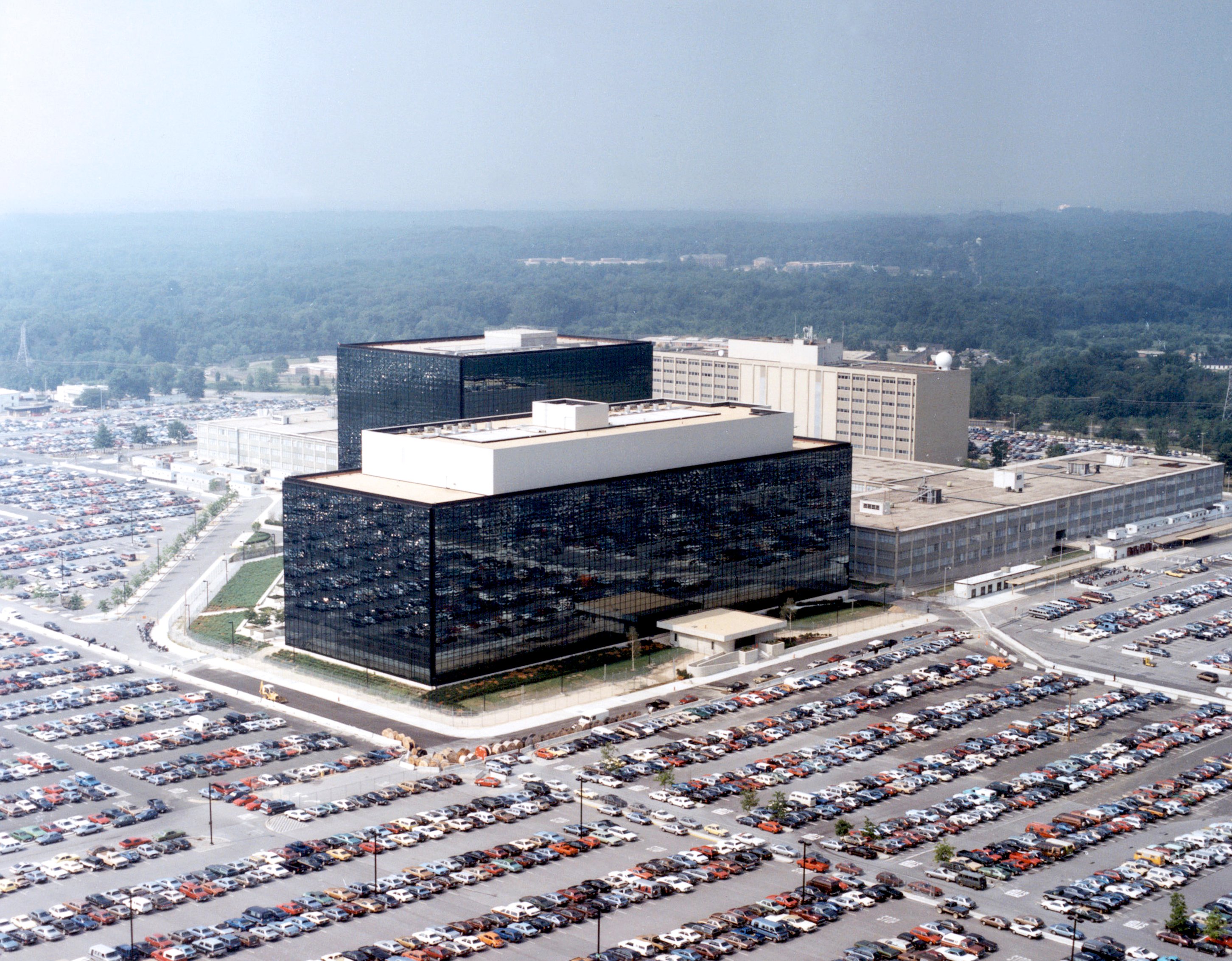
Mass_surveillance, its all about the tempting advancement of software & Hardware. Most people just don't have the time or interest in getting an overview of its extent . It all started with the Cray_X1. http://findarticles.com/p/articles/mi_m0CGN/is_3753/ai_55855489 Advanced_Encryption_Standard http://www.top500.org/2007_overview_recent_supercomputers/cray_inc_xt4
-
Mr. Marino has several interesting observations & claims about the use & abuse of technology & power.
JF Marino on "The Use Of SQUIDS (Superconducting Quantum Interference Devices) In Satellite Based Mind Control Technology"
-
-
-
Spy Satellites, NSA
-
http://www.spychips.com/
-
JF Marino, is very upset as to how various governments & corporations lie & abuse their powers.
http://9-11themotherofallblackoperations.blogspot.com/search?q=The+FBI%2FNSA+Conspiracy+To+Rape+Your+Minds+%26+Leave+You+As+New+World+Order+Vegetables+--+Don%27t+Let+Them+Get+Away+With+It+
http://www.spychips.com/
-
JF Marino, is very upset as to how various governments & corporations lie & abuse their powers.
http://9-11themotherofallblackoperations.blogspot.com/search?q=The+FBI%2FNSA+Conspiracy+To+Rape+Your+Minds+%26+Leave+You+As+New+World+Order+Vegetables+--+Don%27t+Let+Them+Get+Away+With+It+
-
This technology is here to stay from the powers that be. However, humanity must find a balance. Most people don't want the world to become a global technological fascist state.
Tuesday, November 4, 2008
Autism linked with rainfall in study
Tue Nov 4, 10:26 AM
{WASHINGTON (Reuters) - Children who live in the U.S. Northwest's wettest counties are more likely to have autism, but it is unclear why, U.S. researchers reported on Tuesday.
Michael Waldman of Cornell University and colleagues were searching for an environmental link with autism, a condition characterized by learning and social disabilities.
They got autism rates from state and county agencies for children born in California, Oregon and Washington between 1987 and 1999 and plotted them against daily precipitation reports.
"Autism prevalence rates for school-aged children in California, Oregon and Washington in 2005 were positively related to the amount of precipitation these counties received from 1987 through 2001," they wrote in the Archives of Pediatrics & Adolescent Medicine.
Dr. Michael Fitzpatrick, a London physician who wrote "Defeating Autism: A Damaging Delusion", expressed doubt, noting that autism diagnoses are on the rise in all climates.
No one know what causes autism, whose symptoms range from severe social avoidance to repetitive behaviors and sometimes profound mental retardation.
The U.S. Centers for Disease Control and Prevention estimates that about one in every 150 children has autism or a related disorder such as Asperger's Syndrome. Rates in many countries have been rising, although that may be partly due to increased reporting and diagnosis of the condition.
Doctors agree there is a genetic component to autism. They also theorize that something in the environment and possibly conditions in the womb can trigger the condition.
The researchers said their study supports this idea.
Perhaps infants and toddlers are kept are kept indoors in front of the TV more in rainy climates, and that somehow causes brain changes, they said. Or perhaps they breathe in more harmful chemicals while indoors.
Vitamin D deficiency caused by insufficient time in the sun might also be a trigger, they said.
"Finally, there is also the possibility that precipitation itself is more directly involved," they wrote. Perhaps a chemical or chemicals in the upper atmosphere are transported to the surface through rain or snow.
"In recent years autism has been blamed on everything from discarded iPod batteries to mercury from Chinese power stations, from antenatal ultrasound scans to post-natal cord clamping, from diet to vaccines," Fitzpatrick said in a statement.
The U.S. Centers for Disease Control and Prevention has launched a long-term study to find the causes of autism and other childhood conditions.
(Reporting by Maggie Fox; Editing by Michael Kahn and Alan Elsner)}
http://ca.news.yahoo.com/s/reuters/081104/science/science_us_autism_rain
-
http://en.wikipedia.org/wiki/Rain_Man
{WASHINGTON (Reuters) - Children who live in the U.S. Northwest's wettest counties are more likely to have autism, but it is unclear why, U.S. researchers reported on Tuesday.
Michael Waldman of Cornell University and colleagues were searching for an environmental link with autism, a condition characterized by learning and social disabilities.
They got autism rates from state and county agencies for children born in California, Oregon and Washington between 1987 and 1999 and plotted them against daily precipitation reports.
"Autism prevalence rates for school-aged children in California, Oregon and Washington in 2005 were positively related to the amount of precipitation these counties received from 1987 through 2001," they wrote in the Archives of Pediatrics & Adolescent Medicine.
Dr. Michael Fitzpatrick, a London physician who wrote "Defeating Autism: A Damaging Delusion", expressed doubt, noting that autism diagnoses are on the rise in all climates.
No one know what causes autism, whose symptoms range from severe social avoidance to repetitive behaviors and sometimes profound mental retardation.
The U.S. Centers for Disease Control and Prevention estimates that about one in every 150 children has autism or a related disorder such as Asperger's Syndrome. Rates in many countries have been rising, although that may be partly due to increased reporting and diagnosis of the condition.
Doctors agree there is a genetic component to autism. They also theorize that something in the environment and possibly conditions in the womb can trigger the condition.
The researchers said their study supports this idea.
Perhaps infants and toddlers are kept are kept indoors in front of the TV more in rainy climates, and that somehow causes brain changes, they said. Or perhaps they breathe in more harmful chemicals while indoors.
Vitamin D deficiency caused by insufficient time in the sun might also be a trigger, they said.
"Finally, there is also the possibility that precipitation itself is more directly involved," they wrote. Perhaps a chemical or chemicals in the upper atmosphere are transported to the surface through rain or snow.
"In recent years autism has been blamed on everything from discarded iPod batteries to mercury from Chinese power stations, from antenatal ultrasound scans to post-natal cord clamping, from diet to vaccines," Fitzpatrick said in a statement.
The U.S. Centers for Disease Control and Prevention has launched a long-term study to find the causes of autism and other childhood conditions.
(Reporting by Maggie Fox; Editing by Michael Kahn and Alan Elsner)}
http://ca.news.yahoo.com/s/reuters/081104/science/science_us_autism_rain
-
http://en.wikipedia.org/wiki/Rain_Man
Friday, October 31, 2008
Japanese officials alarmed over growing number of suicides from toxic fumes
By The Associated Press
{TOKYO - Officials in Japan are raising the alarm over what they say its the soaring number of people killing themselves by inhaling toxic fumes from household chemicals.
Japan has long battled a high suicide rate.
But officials say the country is now in the grip of a wave of deaths by people who take their own lives by mixing commonly available household products to form poisonous hydrogen sulphide gas.
The gas can form noxious clouds that also affect those who happen to be nearby, often triggering mass evacuations.
Japanese officials say the number of toxic fume suicides jumped to 876 from January to September, 30 times more than in the same period last year.
Alarmed by the surge, police have launched a crackdown on popular Internet sites that give instructions on how to commit suicide using the method.
Toxic fume suicides are the latest in a string of suicide fads in Japan. Until this year, many suicide cases involved people who found each other on the Internet and committed suicide together, often by sealing themselves in a car and lighting a charcoal-burning brazier.
The number of suicides hit 33,093 in 2007, a 2.9 per cent increase from the previous year and the second-highest annual tally on record, according to the National Police Agency.
To curb the high suicide rate, the government has earmarked $220 million for anti-suicide programs to help those with depression and other mental health problems.
Japan has the eighth-highest suicide rate in the world, according to the World Health Organization.} http://ca.news.yahoo.com/s/capress/081031/world/japan_suicides
-
Monday, 6 October 2008
Downturn stirs Japan suicide fears
{Earlier this year the Japanese government released the results of a survey which suggested that one in five men and women in the country had seriously thought of taking their own life.}
http://news.bbc.co.uk/2/hi/asia-pacific/7651518.stm
{TOKYO - Officials in Japan are raising the alarm over what they say its the soaring number of people killing themselves by inhaling toxic fumes from household chemicals.
Japan has long battled a high suicide rate.
But officials say the country is now in the grip of a wave of deaths by people who take their own lives by mixing commonly available household products to form poisonous hydrogen sulphide gas.
The gas can form noxious clouds that also affect those who happen to be nearby, often triggering mass evacuations.
Japanese officials say the number of toxic fume suicides jumped to 876 from January to September, 30 times more than in the same period last year.
Alarmed by the surge, police have launched a crackdown on popular Internet sites that give instructions on how to commit suicide using the method.
Toxic fume suicides are the latest in a string of suicide fads in Japan. Until this year, many suicide cases involved people who found each other on the Internet and committed suicide together, often by sealing themselves in a car and lighting a charcoal-burning brazier.
The number of suicides hit 33,093 in 2007, a 2.9 per cent increase from the previous year and the second-highest annual tally on record, according to the National Police Agency.
To curb the high suicide rate, the government has earmarked $220 million for anti-suicide programs to help those with depression and other mental health problems.
Japan has the eighth-highest suicide rate in the world, according to the World Health Organization.} http://ca.news.yahoo.com/s/capress/081031/world/japan_suicides
-
Monday, 6 October 2008
Downturn stirs Japan suicide fears
{Earlier this year the Japanese government released the results of a survey which suggested that one in five men and women in the country had seriously thought of taking their own life.}
http://news.bbc.co.uk/2/hi/asia-pacific/7651518.stm
Rare, prehistoric-age reptile found nesting in New Zealand
Fri Oct 31, 3:36 AM
By The Associated Press
{WELLINGTON, New Zealand - Officials say a rare reptile with lineage dating back to the dinosaur age has been found nesting on the New Zealand mainland for the first time in about 200 years.
Four leathery, white eggs from an indigenous tuatara were found by staff at the Karori Wildlife Sanctuary in Wellington, during routine maintenance work Friday.
Conservation manager Rouen Empson says the nest proves that the animals are breeding and suggests there may be more.
Empson says baby tuatara could be born any time between now and March.
Zoologists say tuatara are dragon-like reptiles that grow to up to 80 centimetres.
They say the reptiles are the last descendants of a species that walked the earth with the dinosaurs more than 200 million years ago.
They have unique characteristics, such as two rows of top teeth closing over one row at the bottom. They also have a pronounced parietal eye, a light-sensitive pineal gland on the top of the skull. This white patch of skin - called its "third eye" - slowly disappears as they mature.
A native species to New Zealand, tuatara were nearly extinct on the country's three main islands by the late 1700s due to the introduction of predators such as rats. They still live in the wild on 32 small offshore islands cleared of predators.
A population of 70 tuatara was established at the Karori Sanctuary in 2005. Another 130 were released in the sanctuary in 2007.
The sanctuary was established to breed native birds, insects and other creatures securely behind a predator-proof fence.
Empson said that the four eggs - the size of pingpong balls - were unearthed Friday but that there were likely more because the average nest contains around ten eggs.
The eggs were immediately covered up again to avoid disturbing incubation.}
http://ca.news.yahoo.com/s/capress/081031/science/science_rare_reptile
By The Associated Press
{WELLINGTON, New Zealand - Officials say a rare reptile with lineage dating back to the dinosaur age has been found nesting on the New Zealand mainland for the first time in about 200 years.
Four leathery, white eggs from an indigenous tuatara were found by staff at the Karori Wildlife Sanctuary in Wellington, during routine maintenance work Friday.
Conservation manager Rouen Empson says the nest proves that the animals are breeding and suggests there may be more.
Empson says baby tuatara could be born any time between now and March.
Zoologists say tuatara are dragon-like reptiles that grow to up to 80 centimetres.
They say the reptiles are the last descendants of a species that walked the earth with the dinosaurs more than 200 million years ago.
They have unique characteristics, such as two rows of top teeth closing over one row at the bottom. They also have a pronounced parietal eye, a light-sensitive pineal gland on the top of the skull. This white patch of skin - called its "third eye" - slowly disappears as they mature.
A native species to New Zealand, tuatara were nearly extinct on the country's three main islands by the late 1700s due to the introduction of predators such as rats. They still live in the wild on 32 small offshore islands cleared of predators.
A population of 70 tuatara was established at the Karori Sanctuary in 2005. Another 130 were released in the sanctuary in 2007.
The sanctuary was established to breed native birds, insects and other creatures securely behind a predator-proof fence.
Empson said that the four eggs - the size of pingpong balls - were unearthed Friday but that there were likely more because the average nest contains around ten eggs.
The eggs were immediately covered up again to avoid disturbing incubation.}
http://ca.news.yahoo.com/s/capress/081031/science/science_rare_reptile
Tuesday, October 7, 2008
Zambia, WHO join hunt for S.Africa's deadly mystery illness
http://afp.google.com/article/ALeqM5gMUqLStDtjNaZnQN5QHTwZUpZIBg
{JOHANNESBURG (AFP) - Zambia along with the World Health Organisation have joined the hunt for a mystery illness that has killed four people in South Africa, Zambia's ambassador said on Tuesday.
Three of the four victims are believed to have died of a viral haemorrhagic fever, but the exact disease has yet be to identified, Melinda Pelsa, spokeswoman for Johannesburg's Morningside Medi-Clinic, told AFP.
A fourth victim appears to have died of a neurological disease, but tests are still under way to determine if they are linked and to identify the disease, provincial health department spokesman Chika Asomugha said.
Health workers have been put on alert for symptoms of the strange illness, he added.
Two of the victims had earlier been identified as Zambians, but the country's ambassador said they were actually South Africans who had been living in the impoverished nation.
"We have investigated all our institutions, we have involved the WHO and the Centres for Disease Control, as well as Zambian medical teams and administrators in the investigations," Ambassador Leslie Mbula said on South African radio.
The first victim came to South Africa on September 12 and died two days later after being treated for what was believed to be tick-bite fever. The medic who accompanied her from Zambia died two days later with flu-like symptoms.
A nurse and a cleaner at the hospital have also died with strange symptoms.}
http://ca.news.yahoo.com/s/afp/081007/world/safrica_zambia_health_disease_who
-
How does one really ever know if something naturally starts up or is actually created in a lab?
Who draws the line where movies end & the reality begins?
http://jf-themultiverse.blogspot.com/2008/10/blog-post_03.html
{JOHANNESBURG (AFP) - Zambia along with the World Health Organisation have joined the hunt for a mystery illness that has killed four people in South Africa, Zambia's ambassador said on Tuesday.
Three of the four victims are believed to have died of a viral haemorrhagic fever, but the exact disease has yet be to identified, Melinda Pelsa, spokeswoman for Johannesburg's Morningside Medi-Clinic, told AFP.
A fourth victim appears to have died of a neurological disease, but tests are still under way to determine if they are linked and to identify the disease, provincial health department spokesman Chika Asomugha said.
Health workers have been put on alert for symptoms of the strange illness, he added.
Two of the victims had earlier been identified as Zambians, but the country's ambassador said they were actually South Africans who had been living in the impoverished nation.
"We have investigated all our institutions, we have involved the WHO and the Centres for Disease Control, as well as Zambian medical teams and administrators in the investigations," Ambassador Leslie Mbula said on South African radio.
The first victim came to South Africa on September 12 and died two days later after being treated for what was believed to be tick-bite fever. The medic who accompanied her from Zambia died two days later with flu-like symptoms.
A nurse and a cleaner at the hospital have also died with strange symptoms.}
http://ca.news.yahoo.com/s/afp/081007/world/safrica_zambia_health_disease_who
-
How does one really ever know if something naturally starts up or is actually created in a lab?
Who draws the line where movies end & the reality begins?
http://jf-themultiverse.blogspot.com/2008/10/blog-post_03.html
Sunday, October 5, 2008
Euro falls to 13-month low against dollar
{TOKYO (AFP) - The euro sank to a 13-month low against the dollar in Asian trade Monday, hit by signs of escalating financial turmoil in Europe, dealers said.
They said that after the US Congress finally passed a Wall Street bailout bill, traders were turning their attention to the problems among European banks.
The euro fell to as low as 1.3610 dollars in early Asian trade. It was at 1.3647 by late morning in Tokyo, down from 1.3781 in New York late Friday.
The euro slipped to 142.50 yen from 145.16. The dollar dropped to 104.42 yen from 105.27.
The US Congressional approval Friday of a 700-billion-dollar Wall Street rescue package prompted markets "to change their focus from the financial turmoil in the US to Europe," according to Barclays Capital analysts.
"The euro is expected to continue to extend its losses against major currencies," they predicted.
Germany's fourth biggest bank, Hypo Real Estate, had to be rescued Sunday as problems in the European financial sector deepened.
Worries over whether the Europeans can contain the turmoil grew after the leaders of France, Germany, Italy and Britain vowed Saturday to protect fragile banks but did not discuss a continent-wide financial rescue package.
Given the various economic conditions in each of the eurozone member countries, "it looks difficult for authorities to take dramatic and quick action like the US," the Barclays analysts wrote in a note to clients.
"As financial turmoil is showing signs of spreading in Europe, currency markets will test the tenacity of European authorities," they added.
Markets were looking ahead to a meeting Friday of finance chiefs from the Group of Seven rich nations, waiting for any announcements on coordinated action such as liquidity injections or interest rate cuts, dealers said.
A speech Tuesday by US Federal Reserve Chairman Ben Bernanke will also be closely watched for any clues on the possibility of a US interest rate cut.}
http://ca.news.yahoo.com/s/afp/081006/business/forex_asia
They said that after the US Congress finally passed a Wall Street bailout bill, traders were turning their attention to the problems among European banks.
The euro fell to as low as 1.3610 dollars in early Asian trade. It was at 1.3647 by late morning in Tokyo, down from 1.3781 in New York late Friday.
The euro slipped to 142.50 yen from 145.16. The dollar dropped to 104.42 yen from 105.27.
The US Congressional approval Friday of a 700-billion-dollar Wall Street rescue package prompted markets "to change their focus from the financial turmoil in the US to Europe," according to Barclays Capital analysts.
"The euro is expected to continue to extend its losses against major currencies," they predicted.
Germany's fourth biggest bank, Hypo Real Estate, had to be rescued Sunday as problems in the European financial sector deepened.
Worries over whether the Europeans can contain the turmoil grew after the leaders of France, Germany, Italy and Britain vowed Saturday to protect fragile banks but did not discuss a continent-wide financial rescue package.
Given the various economic conditions in each of the eurozone member countries, "it looks difficult for authorities to take dramatic and quick action like the US," the Barclays analysts wrote in a note to clients.
"As financial turmoil is showing signs of spreading in Europe, currency markets will test the tenacity of European authorities," they added.
Markets were looking ahead to a meeting Friday of finance chiefs from the Group of Seven rich nations, waiting for any announcements on coordinated action such as liquidity injections or interest rate cuts, dealers said.
A speech Tuesday by US Federal Reserve Chairman Ben Bernanke will also be closely watched for any clues on the possibility of a US interest rate cut.}
http://ca.news.yahoo.com/s/afp/081006/business/forex_asia
Tuesday, September 23, 2008
White House whispers of 1929-style crash if bailout blocked
Tue Sep 23, 12:20 PM
{The White House pressed the U.S. Congress publicly and privately Tuesday to pass a $700-billion US bailout package it hopes will contain a spreading financial crisis.
Congressional leaders - especially those who oppose the package - are being asked whether they want to be responsible for even greater economic harm than has occurred so far, the CBC's Henry Champ reported from Washington.
"And the whispers always include references to Oct. 29, 1929, the Great Depression and things of that nature," he said.
Although no one can be certain what would happen if the package is not passed, the threat is likely to carry the day, Champ said.
U.S. President George W. Bush said Tuesday he's confident that Congress will reconcile differences and come together to pass the bailout package.
Bush, who's in New York to address the UN General Assembly, said he has spoken with world leaders and assured them that the United States was taking the right steps to deal with the financial crisis.
"And I've assured them as well, having spoken to the leaders of Congress of both political parties, that there is the desire to get something done quickly," he said.
The package would rescue financial firms from hundreds of billions of debt that plummeted in value when housing prices began to fall in 2006.
The Treasury Department's first draft said that only mortgage-related assets would be purchased. But in a later version, Treasury Secretary Henry Paulson asked for the power to expand purchases to troubled assets beyond real estate.
That could conceivably leave taxpayers picking up the tab on things like bad car loans and credit card debt.
Democrats are calling for the measure to limit pay packages for executives of companies helped by the bailout and to allow judges to rewrite mortgages to lower the monthly payments of bankrupt homeowners.
Publicly, Paulson and Federal Reserve chair Ben Bernanke urged Congress to quickly pass the bailout package, warning that letting problems persist would have dire consequences for the national economy.
In an appearance before the Senate banking committee, Bernanke said failure to pass the bailout plan could trigger a recession and more home foreclosures.
"The financial markets are in quite fragile condition and I think absent a plan, they will get worse," he said.
"I believe if the credit markets are not functioning, that jobs will be lost, that our credit rate will rise, more houses will be foreclosed upon, GDP will contract, that the economy will just not be able to recover in a normal, healthy way," he added.
In his testimony, Paulson struck a similarly grave note.
"We must do so in order to avoid a continuing series of financial institution failures and frozen credit markets that threaten ... American families' financial well-being, the viability of businesses both small and large, and the very health of our economy," he said.
Paulson objected strongly when Democratic Senator Chuck Schumer asked if $150 billion might be enough to get the program started, with a promise of more to come.
That would be a "grave mistake," Paulson said, and would fail to give the markets the confidence they need to rebound.
Members of both parties voiced their displeasure with being faced with the massive bailout request.
"Nobody is happy," said Steny Hoyer, House majority leader and a Democrat, although he said it was possible legislation could be passed by the weekend.
"Nobody wants to have to do this," said Representative John Boehner, the Republican leader, who added that he was hopeful of a quick agreement.
The plan would enable the government to buy bad mortgages and other troubled assets held by endangered banks and financial institutions.
Getting those debts off their books should bolster their balance sheets, making them more inclined to lend and easing one of the biggest choke points in the credit crisis. If the plan works, it should help lift a major weight off the sputtering economy.
The U.S. has taken extraordinary measures in recent weeks to prevent a financial calamity that would have devastating implications for the broader economy. It has, among other things, taken control of mortgage giants Fannie Mae and Freddie Mac, provided an $85-billion emergency loan to insurance colossus American International Group Inc. and temporarily banned short selling of hundreds of financial stocks.
Wall Street has been dramatically reshaped amid all the fallout.
The Fed agreed to let Goldman Sachs and Morgan Stanley - the country's last two investment banks - become bank holding companies so that they can take deposits, like a commercial bank, in a bid to survive. Merrill Lynch agreed to be bought by Bank of America, Lehman Brothers sought bankruptcy protection and Bear Stearns was taken over by JPMorgan Chase.
The tone struck by Bernanke suggests that the Fed still has an eye on inflation, but is increasingly worried about the credit crisis, Sal Guatieri, senior economist at BMO Capital Markets, wrote in an early note to clients.
"Failure to quickly pass the rescue plan, or ongoing credit market stress after it is passed, could spur the need for further rate cuts."
Guatieri said a 44 per cent chance of an October rate cut by the Fed currently seen by the futures market "seems about right."}
http://ca.news.finance.yahoo.com/s/23092008/3/finance-business-white-house-whispers-1929-style-crash-bailout-blocked.html
With files from the Associated Press
{The White House pressed the U.S. Congress publicly and privately Tuesday to pass a $700-billion US bailout package it hopes will contain a spreading financial crisis.
Congressional leaders - especially those who oppose the package - are being asked whether they want to be responsible for even greater economic harm than has occurred so far, the CBC's Henry Champ reported from Washington.
"And the whispers always include references to Oct. 29, 1929, the Great Depression and things of that nature," he said.
Although no one can be certain what would happen if the package is not passed, the threat is likely to carry the day, Champ said.
U.S. President George W. Bush said Tuesday he's confident that Congress will reconcile differences and come together to pass the bailout package.
Bush, who's in New York to address the UN General Assembly, said he has spoken with world leaders and assured them that the United States was taking the right steps to deal with the financial crisis.
"And I've assured them as well, having spoken to the leaders of Congress of both political parties, that there is the desire to get something done quickly," he said.
The package would rescue financial firms from hundreds of billions of debt that plummeted in value when housing prices began to fall in 2006.
The Treasury Department's first draft said that only mortgage-related assets would be purchased. But in a later version, Treasury Secretary Henry Paulson asked for the power to expand purchases to troubled assets beyond real estate.
That could conceivably leave taxpayers picking up the tab on things like bad car loans and credit card debt.
Democrats are calling for the measure to limit pay packages for executives of companies helped by the bailout and to allow judges to rewrite mortgages to lower the monthly payments of bankrupt homeowners.
Publicly, Paulson and Federal Reserve chair Ben Bernanke urged Congress to quickly pass the bailout package, warning that letting problems persist would have dire consequences for the national economy.
In an appearance before the Senate banking committee, Bernanke said failure to pass the bailout plan could trigger a recession and more home foreclosures.
"The financial markets are in quite fragile condition and I think absent a plan, they will get worse," he said.
"I believe if the credit markets are not functioning, that jobs will be lost, that our credit rate will rise, more houses will be foreclosed upon, GDP will contract, that the economy will just not be able to recover in a normal, healthy way," he added.
In his testimony, Paulson struck a similarly grave note.
"We must do so in order to avoid a continuing series of financial institution failures and frozen credit markets that threaten ... American families' financial well-being, the viability of businesses both small and large, and the very health of our economy," he said.
Paulson objected strongly when Democratic Senator Chuck Schumer asked if $150 billion might be enough to get the program started, with a promise of more to come.
That would be a "grave mistake," Paulson said, and would fail to give the markets the confidence they need to rebound.
Members of both parties voiced their displeasure with being faced with the massive bailout request.
"Nobody is happy," said Steny Hoyer, House majority leader and a Democrat, although he said it was possible legislation could be passed by the weekend.
"Nobody wants to have to do this," said Representative John Boehner, the Republican leader, who added that he was hopeful of a quick agreement.
The plan would enable the government to buy bad mortgages and other troubled assets held by endangered banks and financial institutions.
Getting those debts off their books should bolster their balance sheets, making them more inclined to lend and easing one of the biggest choke points in the credit crisis. If the plan works, it should help lift a major weight off the sputtering economy.
The U.S. has taken extraordinary measures in recent weeks to prevent a financial calamity that would have devastating implications for the broader economy. It has, among other things, taken control of mortgage giants Fannie Mae and Freddie Mac, provided an $85-billion emergency loan to insurance colossus American International Group Inc. and temporarily banned short selling of hundreds of financial stocks.
Wall Street has been dramatically reshaped amid all the fallout.
The Fed agreed to let Goldman Sachs and Morgan Stanley - the country's last two investment banks - become bank holding companies so that they can take deposits, like a commercial bank, in a bid to survive. Merrill Lynch agreed to be bought by Bank of America, Lehman Brothers sought bankruptcy protection and Bear Stearns was taken over by JPMorgan Chase.
The tone struck by Bernanke suggests that the Fed still has an eye on inflation, but is increasingly worried about the credit crisis, Sal Guatieri, senior economist at BMO Capital Markets, wrote in an early note to clients.
"Failure to quickly pass the rescue plan, or ongoing credit market stress after it is passed, could spur the need for further rate cuts."
Guatieri said a 44 per cent chance of an October rate cut by the Fed currently seen by the futures market "seems about right."}
http://ca.news.finance.yahoo.com/s/23092008/3/finance-business-white-house-whispers-1929-style-crash-bailout-blocked.html
With files from the Associated Press
Friday, September 19, 2008
Bush says government role essential to ease crisis
By DEB RIECHMANN, Associated Press Writer
{WASHINGTON - President Bush on Friday asked Congress to approve extensive federal intervention in financial markets that he said is both warranted and essential to halt the worst financial crisis in decades. "We must act now," he said.
"America's economy is facing unprecedented challenges. We're responding with unprecedented measures," Bush declared, standing in the White House Rose Garden with Treasury Secretary Henry Paulson, Federal Reserve Chairman Ben Bernanke and Christopher Cox, chairman of the Securities and Exchange Commission.
Shortly after his remarks, Bush called congressional leaders with whom the administration would be negotiating through the weekend to devise a rescue package. He spoke to Senate Majority Leader Harry Reid, D-Nev., House Speaker Nancy Pelosi, D-Calif., and Senate Republican leader Mitch McConnell. He planned to reach House Republican leader John Boehner later in the day.
The administration wants to see a package emerge from the weekend, to lend calm to Monday morning's market openings, said Keith Hennessey, the director of the president's economic council. The goal is to have something passed by Congress by the end of next week, when lawmakers recess for the elections.
"This is a pivotal moment for America's economy," Bush said in his most extensive remarks this week on the crisis. He said that a financial contagion that began with low-quality home mortgages had "spread throughout our financial system" and frozen many financial transactions.
The president said the federal government should interfere in the marketplace "only when necessary," and that this is one of those times. "Given the precarious state of today's financial markets, and their vital importance to the daily lives of the American people, government intervention is not only warranted, it is essential," he said.
Hennessey said fears that there was going to be a run on money market funds was one but not the only reason that drove the administration to make the proposal to Congress.
Bush said the authorities the administration wants Congress to approve — which Paulson said earlier Friday could entail "hundreds of billions" of dollars — was not without risk. But he said that because "the vast majority of assets the government is planning to purchase have good value over time" he expects the money to be paid back to the federal government.
Even if it isn't, he said "the risk of not acting would be far higher."
Bush spoke in unusually stark terms about the problems facing the economy and the dangers of not acting, which he attempted to frame in terms relevant not just to Wall Street, but to ordinary Americans, too.
He said "the gears of our financial system ... were at risk of grinding to a halt." If this were allowed to happen, the president predicted it would "cause massive job losses, devastate retirement accounts and further erode housing values, as well as dry up loans for new homes and cars and college tuitions."
The president also appeared to go out of his way to reassure Americans that money in traditional checking accounts, savings accounts and certificates of deposit is safe.
"Every American should know that the federal government continues to enforce laws and regulations protecting your money," he said.
He noted that, through the Federal Deposit Insurance Company, "every savings account, checking account and certificate of deposit is insured by the federal government for up to $100,000. The FDIC has been in existence for 75 years, and no one has ever lost a penny on an insured deposit, and this will not change."
"We have a flexible and resilient system that absorbs challenges and makes corrections and bounces back," Bush said. " ... Our economy has weathered every one of these challenges and still managed to grow. We will weather this challenge, too, and we must do so together."
He warned Democratic leaders against adding "controversial provisions" to the rescue package "that could delay action." White House press secretary Dana Perino would not comment on what sorts of provisions would be considered unacceptable to the president, and Hennessey said there would be room for negotiation with lawmakers on how the package would look.
"This is not a time for partisanship," Bush said.
He spoke after the administration said it would safeguard assets in money market mutual funds and temporarily banned short-selling of financial company stocks, a trading technique that bets on stocks declining in value. The Treasury Department has asked Congress to give it sweeping power to buy up toxic debt that has nearly paralyzed Wall Street.
Bush also has authorized Treasury to tap up to $50 billion from a Depression-era fund to insure the holdings of eligible money market mutual funds. And the Federal Reserve announced it will expand its emergency lending program to help support the $2 trillion in assets of the funds.} http://news.yahoo.com/s/ap/20080919/ap_on_go_pr_wh/bush_markets
-
Government plans bold financial rescue
Paulson says handling banks’ bad assets costly, but needed
http://www.msnbc.msn.com/id/26787984?GT1=43001
{WASHINGTON - President Bush on Friday asked Congress to approve extensive federal intervention in financial markets that he said is both warranted and essential to halt the worst financial crisis in decades. "We must act now," he said.
"America's economy is facing unprecedented challenges. We're responding with unprecedented measures," Bush declared, standing in the White House Rose Garden with Treasury Secretary Henry Paulson, Federal Reserve Chairman Ben Bernanke and Christopher Cox, chairman of the Securities and Exchange Commission.
Shortly after his remarks, Bush called congressional leaders with whom the administration would be negotiating through the weekend to devise a rescue package. He spoke to Senate Majority Leader Harry Reid, D-Nev., House Speaker Nancy Pelosi, D-Calif., and Senate Republican leader Mitch McConnell. He planned to reach House Republican leader John Boehner later in the day.
The administration wants to see a package emerge from the weekend, to lend calm to Monday morning's market openings, said Keith Hennessey, the director of the president's economic council. The goal is to have something passed by Congress by the end of next week, when lawmakers recess for the elections.
"This is a pivotal moment for America's economy," Bush said in his most extensive remarks this week on the crisis. He said that a financial contagion that began with low-quality home mortgages had "spread throughout our financial system" and frozen many financial transactions.
The president said the federal government should interfere in the marketplace "only when necessary," and that this is one of those times. "Given the precarious state of today's financial markets, and their vital importance to the daily lives of the American people, government intervention is not only warranted, it is essential," he said.
Hennessey said fears that there was going to be a run on money market funds was one but not the only reason that drove the administration to make the proposal to Congress.
Bush said the authorities the administration wants Congress to approve — which Paulson said earlier Friday could entail "hundreds of billions" of dollars — was not without risk. But he said that because "the vast majority of assets the government is planning to purchase have good value over time" he expects the money to be paid back to the federal government.
Even if it isn't, he said "the risk of not acting would be far higher."
Bush spoke in unusually stark terms about the problems facing the economy and the dangers of not acting, which he attempted to frame in terms relevant not just to Wall Street, but to ordinary Americans, too.
He said "the gears of our financial system ... were at risk of grinding to a halt." If this were allowed to happen, the president predicted it would "cause massive job losses, devastate retirement accounts and further erode housing values, as well as dry up loans for new homes and cars and college tuitions."
The president also appeared to go out of his way to reassure Americans that money in traditional checking accounts, savings accounts and certificates of deposit is safe.
"Every American should know that the federal government continues to enforce laws and regulations protecting your money," he said.
He noted that, through the Federal Deposit Insurance Company, "every savings account, checking account and certificate of deposit is insured by the federal government for up to $100,000. The FDIC has been in existence for 75 years, and no one has ever lost a penny on an insured deposit, and this will not change."
"We have a flexible and resilient system that absorbs challenges and makes corrections and bounces back," Bush said. " ... Our economy has weathered every one of these challenges and still managed to grow. We will weather this challenge, too, and we must do so together."
He warned Democratic leaders against adding "controversial provisions" to the rescue package "that could delay action." White House press secretary Dana Perino would not comment on what sorts of provisions would be considered unacceptable to the president, and Hennessey said there would be room for negotiation with lawmakers on how the package would look.
"This is not a time for partisanship," Bush said.
He spoke after the administration said it would safeguard assets in money market mutual funds and temporarily banned short-selling of financial company stocks, a trading technique that bets on stocks declining in value. The Treasury Department has asked Congress to give it sweeping power to buy up toxic debt that has nearly paralyzed Wall Street.
Bush also has authorized Treasury to tap up to $50 billion from a Depression-era fund to insure the holdings of eligible money market mutual funds. And the Federal Reserve announced it will expand its emergency lending program to help support the $2 trillion in assets of the funds.} http://news.yahoo.com/s/ap/20080919/ap_on_go_pr_wh/bush_markets
-
Government plans bold financial rescue
Paulson says handling banks’ bad assets costly, but needed
http://www.msnbc.msn.com/id/26787984?GT1=43001
Thursday, September 18, 2008
In hard times, tent cities rise across the country
By EVELYN NIEVES, Associated Press Writer
Thu Sep 18, 1:03 PM ET
{RENO, Nev. - A few tents cropped up hard by the railroad tracks, pitched by men left with nowhere to go once the emergency winter shelter closed for the summer.
Then others appeared — people who had lost their jobs to the ailing economy, or newcomers who had moved to Reno for work and discovered no one was hiring.
Within weeks, more than 150 people were living in tents big and small, barely a foot apart in a patch of dirt slated to be a parking lot for a campus of shelters Reno is building for its homeless population. Like many other cities, Reno has found itself with a "tent city" — an encampment of people who had nowhere else to go.
From Seattle to Athens, Ga., homeless advocacy groups and city agencies are reporting the most visible rise in homeless encampments in a generation.
Nearly 61 percent of local and state homeless coalitions say they've experienced a rise in homelessness since the foreclosure crisis began in 2007, according to a report by the National Coalition for the Homeless. The group says the problem has worsened since the report's release in April, with foreclosures mounting, gas and food prices rising and the job market tightening.
"It's clear that poverty and homelessness have increased," said Michael Stoops, acting executive director of the coalition. "The economy is in chaos, we're in an unofficial recession and Americans are worried, from the homeless to the middle class, about their future."
The phenomenon of encampments has caught advocacy groups somewhat by surprise, largely because of how quickly they have sprung up.
"What you're seeing is encampments that I haven't seen since the 80s," said Paul Boden, executive director of the Western Regional Advocacy Project, an umbrella group for homeless advocacy organizations in Los Angeles, San Francisco, Oakland, Calif., Portland, Ore. and Seattle.
The relatively tony city of Santa Barbara has given over a parking lot to people who sleep in cars and vans. The city of Fresno, Calif., is trying to manage several proliferating tent cities, including an encampment where people have made shelters out of scrap wood. In Portland, Ore., and Seattle, homeless advocacy groups have paired with nonprofits or faith-based groups to manage tent cities as outdoor shelters. Other cities where tent cities have either appeared or expanded include include Chattanooga, Tenn., San Diego, and Columbus, Ohio.
The Department of Housing and Urban Development recently reported a 12 percent drop in homelessness nationally in two years, from about 754,000 in January 2005 to 666,000 in January 2007. But the 2007 numbers omitted people who previously had been considered homeless — such as those staying with relatives or friends or living in campgrounds or motel rooms for more than a week.
In addition, the housing and economic crisis began soon after HUD's most recent data was compiled.
"The data predates the housing crisis," said Brian Sullivan, a spokesman for HUD. "From the headlines, it might appear that the report is about yesterday. How is the housing situation affecting homelessness? That's a great question. We're still trying to get to that."
In Seattle, which is experiencing a building boom and an influx of affluent professionals in neighborhoods the working class once owned, homeless encampments have been springing up — in remote places to avoid police sweeps.
"What's happening in Seattle is what's happening everywhere else — on steroids," said Tim Harris, executive director of Real Change, an advocacy organization that publishes a weekly newspaper sold by homeless people.
Homeless people and their advocates have organized three tent cities at City Hall in recent months to call attention to the homeless and protest the sweeps — acts of militancy, said Harris, "that we really haven't seen around homeless activism since the early '90s."
In Reno, officials decided to let the tent city be because shelters were already filled.
Officials don't know how many homeless people are in Reno. "But we do know that the soup kitchens are serving hundreds more meals a day and that we have more people who are homeless than we can remember," said Jodi Royal-Goodwin, the city's redevelopment agency director.
Those in the tents have to register and are monitored weekly to see what progress they are making in finding jobs or real housing. They are provided times to take showers in the shelter, and told where to go for food and meals.
Sylvia Flynn, 51, came from northern California but lost a job almost immediately and then her apartment.
Since the cheapest motels here charge upward of $200 a week, Flynn ended up at the Reno women's shelter, which has only 20 beds and a two-week limit on stays.
Out of a dozen people interviewed in the tent city, six had come to Reno from California or elsewhere over the last year, hoping for casino jobs.
"I figured this would be a great place for a job," said Max Perez, a 19-year-old from Iowa. He couldn't find one and ended up taking showers at the men's shelter and sleeping in a pup tent barely big enough to cover his body.
The casinos are actually starting to lay off employees.
"Sometimes I think we need to put out an ad: 'No, we don't have any more jobs than you do,'" Royal-Goodwin said.
The city will shut down the tent city as soon as early October because the tents sit on what will be a parking lot for a complex of shelters and services for homeless people. The complex will include a men's shelter, a women's shelter, a family shelter and a resource center.
Reno officials aren't sure whether the construction will eliminate the need for the tent city. The demand, they say, keeps growing.} http://news.yahoo.com/s/ap/20080918/ap_on_re_us/tent_cities
Thu Sep 18, 1:03 PM ET
{RENO, Nev. - A few tents cropped up hard by the railroad tracks, pitched by men left with nowhere to go once the emergency winter shelter closed for the summer.
Then others appeared — people who had lost their jobs to the ailing economy, or newcomers who had moved to Reno for work and discovered no one was hiring.
Within weeks, more than 150 people were living in tents big and small, barely a foot apart in a patch of dirt slated to be a parking lot for a campus of shelters Reno is building for its homeless population. Like many other cities, Reno has found itself with a "tent city" — an encampment of people who had nowhere else to go.
From Seattle to Athens, Ga., homeless advocacy groups and city agencies are reporting the most visible rise in homeless encampments in a generation.
Nearly 61 percent of local and state homeless coalitions say they've experienced a rise in homelessness since the foreclosure crisis began in 2007, according to a report by the National Coalition for the Homeless. The group says the problem has worsened since the report's release in April, with foreclosures mounting, gas and food prices rising and the job market tightening.
"It's clear that poverty and homelessness have increased," said Michael Stoops, acting executive director of the coalition. "The economy is in chaos, we're in an unofficial recession and Americans are worried, from the homeless to the middle class, about their future."
The phenomenon of encampments has caught advocacy groups somewhat by surprise, largely because of how quickly they have sprung up.
"What you're seeing is encampments that I haven't seen since the 80s," said Paul Boden, executive director of the Western Regional Advocacy Project, an umbrella group for homeless advocacy organizations in Los Angeles, San Francisco, Oakland, Calif., Portland, Ore. and Seattle.
The relatively tony city of Santa Barbara has given over a parking lot to people who sleep in cars and vans. The city of Fresno, Calif., is trying to manage several proliferating tent cities, including an encampment where people have made shelters out of scrap wood. In Portland, Ore., and Seattle, homeless advocacy groups have paired with nonprofits or faith-based groups to manage tent cities as outdoor shelters. Other cities where tent cities have either appeared or expanded include include Chattanooga, Tenn., San Diego, and Columbus, Ohio.
The Department of Housing and Urban Development recently reported a 12 percent drop in homelessness nationally in two years, from about 754,000 in January 2005 to 666,000 in January 2007. But the 2007 numbers omitted people who previously had been considered homeless — such as those staying with relatives or friends or living in campgrounds or motel rooms for more than a week.
In addition, the housing and economic crisis began soon after HUD's most recent data was compiled.
"The data predates the housing crisis," said Brian Sullivan, a spokesman for HUD. "From the headlines, it might appear that the report is about yesterday. How is the housing situation affecting homelessness? That's a great question. We're still trying to get to that."
In Seattle, which is experiencing a building boom and an influx of affluent professionals in neighborhoods the working class once owned, homeless encampments have been springing up — in remote places to avoid police sweeps.
"What's happening in Seattle is what's happening everywhere else — on steroids," said Tim Harris, executive director of Real Change, an advocacy organization that publishes a weekly newspaper sold by homeless people.
Homeless people and their advocates have organized three tent cities at City Hall in recent months to call attention to the homeless and protest the sweeps — acts of militancy, said Harris, "that we really haven't seen around homeless activism since the early '90s."
In Reno, officials decided to let the tent city be because shelters were already filled.
Officials don't know how many homeless people are in Reno. "But we do know that the soup kitchens are serving hundreds more meals a day and that we have more people who are homeless than we can remember," said Jodi Royal-Goodwin, the city's redevelopment agency director.
Those in the tents have to register and are monitored weekly to see what progress they are making in finding jobs or real housing. They are provided times to take showers in the shelter, and told where to go for food and meals.
Sylvia Flynn, 51, came from northern California but lost a job almost immediately and then her apartment.
Since the cheapest motels here charge upward of $200 a week, Flynn ended up at the Reno women's shelter, which has only 20 beds and a two-week limit on stays.
Out of a dozen people interviewed in the tent city, six had come to Reno from California or elsewhere over the last year, hoping for casino jobs.
"I figured this would be a great place for a job," said Max Perez, a 19-year-old from Iowa. He couldn't find one and ended up taking showers at the men's shelter and sleeping in a pup tent barely big enough to cover his body.
The casinos are actually starting to lay off employees.
"Sometimes I think we need to put out an ad: 'No, we don't have any more jobs than you do,'" Royal-Goodwin said.
The city will shut down the tent city as soon as early October because the tents sit on what will be a parking lot for a complex of shelters and services for homeless people. The complex will include a men's shelter, a women's shelter, a family shelter and a resource center.
Reno officials aren't sure whether the construction will eliminate the need for the tent city. The demand, they say, keeps growing.} http://news.yahoo.com/s/ap/20080918/ap_on_re_us/tent_cities
Monday, September 15, 2008
Hackers 'find black hole in atom smasher computers'
Sat Sep 13, 7:37 AM
{LONDON (AFP) - Hackers claim they have broken into the computer system of the Large Hadron Collider, the mega-machine designed to expose secrets of the cosmos, British newspapers reported on Saturday.
A group calling itself the Greek Security Team left a rogue webpage mocking the technicians responsible for computer security at the giant atom smasher as "schoolkids", the Times and Daily Telegraph reported.
The hackers vowed they had no intention of disrupting the experiment at the European Organisation for Nuclear Research (CERN) on the Swiss-French border, they just wanted to highlight the flaws in the computer system's security.
"We're pulling your pants down because we don't want to see you running around naked looking to hide yourselves when the panic comes," they wrote, according to the Daily Telegraph.
The hackers claimed to have gained access to a website open to other scientists on Wednesday as the LHC passed its first test with flying colours, the reports said.
They appear to have tried to gain access to the computer system of the Compact Muon Solenoid Experiment, one of the four detectors that will be analysing the progress of the experiment.
James Gillies, a spokesman for CERN, told the Times: "We don't know who they were but there seems to be no harm done. It appears to be people who want to make a point that CERN was hackable."
Scientists hailed the success of the start of the experiment on Wednesday in the Large Hadron Collider, the 27-kilometre (16.9-mile) circular tunnel in which parallel beams of protons will be accelerated to nearly the speed of light.
Superconducting magnets will then steer the counter-rotating beams so that strings of protons smash together in four huge laboratories, fleetingly replicating the conditions that prevailed at the "Big Bang" that created the Universe 13.7 billion years ago.}
http://ca.news.yahoo.com/s/afp/080913/technology/science_physics_cern_computer
{LONDON (AFP) - Hackers claim they have broken into the computer system of the Large Hadron Collider, the mega-machine designed to expose secrets of the cosmos, British newspapers reported on Saturday.
A group calling itself the Greek Security Team left a rogue webpage mocking the technicians responsible for computer security at the giant atom smasher as "schoolkids", the Times and Daily Telegraph reported.
The hackers vowed they had no intention of disrupting the experiment at the European Organisation for Nuclear Research (CERN) on the Swiss-French border, they just wanted to highlight the flaws in the computer system's security.
"We're pulling your pants down because we don't want to see you running around naked looking to hide yourselves when the panic comes," they wrote, according to the Daily Telegraph.
The hackers claimed to have gained access to a website open to other scientists on Wednesday as the LHC passed its first test with flying colours, the reports said.
They appear to have tried to gain access to the computer system of the Compact Muon Solenoid Experiment, one of the four detectors that will be analysing the progress of the experiment.
James Gillies, a spokesman for CERN, told the Times: "We don't know who they were but there seems to be no harm done. It appears to be people who want to make a point that CERN was hackable."
Scientists hailed the success of the start of the experiment on Wednesday in the Large Hadron Collider, the 27-kilometre (16.9-mile) circular tunnel in which parallel beams of protons will be accelerated to nearly the speed of light.
Superconducting magnets will then steer the counter-rotating beams so that strings of protons smash together in four huge laboratories, fleetingly replicating the conditions that prevailed at the "Big Bang" that created the Universe 13.7 billion years ago.}
http://ca.news.yahoo.com/s/afp/080913/technology/science_physics_cern_computer
Subscribe to:
Posts (Atom)